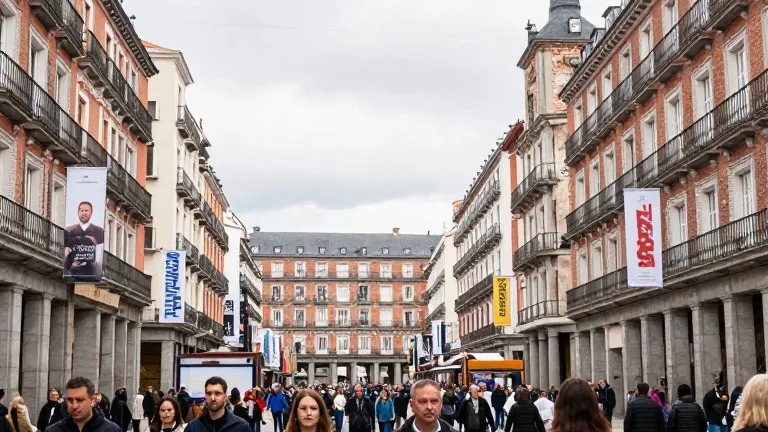
Spain’s Iconic Daily Lunch Menu Faces a Slow Decline Amid Shifting Habits
The traditional set-price lunch, a staple of Spanish life for decades, is losing popularity as rising costs and busy schedules push diners toward faster alternatives.
By Harper Hassan ·
The menú del día, the fixed-price lunch that has defined Spanish workdays for over fifty years, is quietly disappearing from the country's dining landscape. While approximately four million of these meals are still served on any given weekday, the tradition that once anchored the midday break is steadily losing ground. This shift represents more than a change in restaurant offerings; it signals a broader transformation in how Spanish society eats, spends, and spends its leisure time. The once-universal habit of gathering for a structured, affordable midday repast is giving way to quicker, often less social alternatives.
The decline has been anticipated for some time. In 2009, renowned chef Ferran Adrià declared the tradition dead, citing economic downturns and the rise of bistro-style establishments that charged twenty to thirty euros for simple meals. Although that verdict seemed premature at the time, the pressures he identified have intensified. Today, the average price of a menú del día has climbed to 14.70 euros. For small, family-run restaurants, rising energy and food costs make it increasingly difficult to maintain the rotating daily choices that defined the format. Many owners have responded by simplifying their offerings, sometimes reducing the menu to a single dish of the day or incorporating Latin American staples to reflect the country's changing demographics.
The origins of the menú del día are rooted in political strategy rather than pure culinary tradition. It began in the mid-1960s as a tourist menu devised by Manuel Fraga, the information and tourism minister under dictator Francisco Franco. Following the scarcity known as the years of hunger after the civil war, the regime wanted to project an image of abundance and affordability to foreign visitors. The law mandated specific components: a soup starter, a main course of egg, fish, or meat with a side dish, and a dessert of fruit, sweet, or cheese. Prices were strictly regulated between 50 and 250 pesetas, and the included quarter-litre of wine had to be a pure, clean, and pleasant Spanish red or white with at least 12% alcohol content.
In the early 1970s, the offer was renamed to distance itself from its tourist-oriented origins and to encourage ordinary Spaniards to partake. The name change helped embed the meal into the daily rhythm of working life. However, as the tradition fades, a sense of nostalgia is growing. Lakshmi Aguirre, a Spanish food journalist who recently published a book tracing the history of the menú, notes that many Spaniards are shocked to learn of its political roots. She observes that the society is forgetting its own history quickly, yet the emotional weight of the meal remains significant. For many, the menu was not just food, but a structural element of the workday that provided a break and a sense of community.
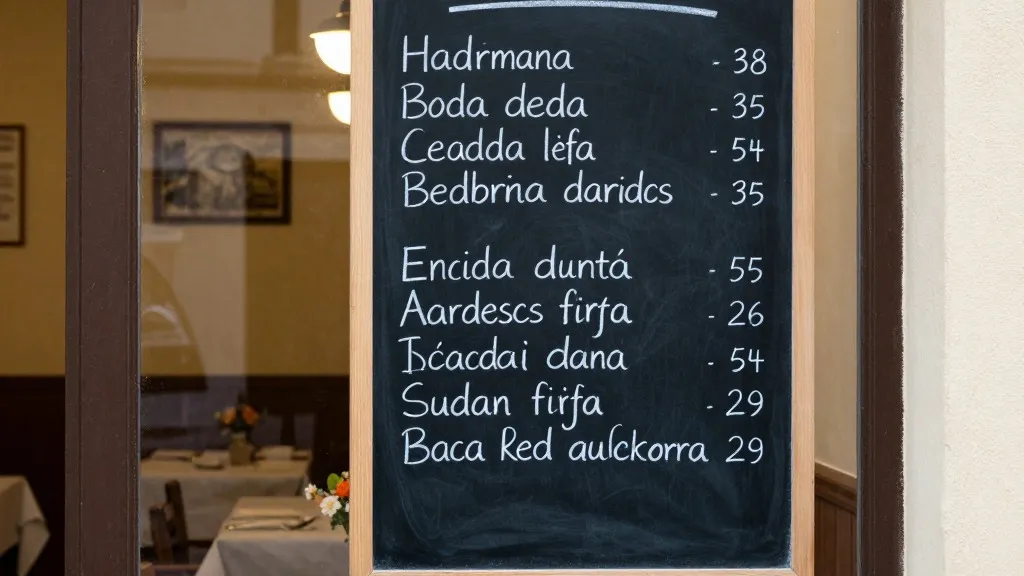
Aguirre argues that the menú is in trouble but not yet finished. She views the tradition as a mirror of Spanish society, evolving to reflect the people who eat it. Her own ideal lunch remains simple: a vegetable stew, followed by hake in green sauce or baby squid in ink, and finished with rice pudding. She identifies specific markers of a good venue, such as a regularly changing menu, non-frozen chips, and a chalkboard that avoids trendy ingredients like avocado or truffle. For her, the true value of the menú lies in the time it affords. It represents a privilege that is not just about affordability, but about having the space to enjoy a meal without rushing, a meeting point where families with limited means can eat out and individuals living alone can find company.
As the midday window shrinks and costs rise, the future of the menú del día remains uncertain. The shift is not just about what is on the plate, but about the cultural role of the lunch break in Spanish life. Whether the tradition will survive depends on whether restaurants can adapt to economic pressures without losing the essence of the communal, affordable meal that has sustained the country for generations.
Source: The Guardian