33 Million Brazilians Stayed Home as Osasco's Vote Shifted Right
Factory closures and a rise in gig work in Osasco helped drive a historic abstention rate and a local switch to Flávio Bolsonaro before Sunday's runoff.
By Olga Kaur ·
Thirty-three million Brazilians did not vote in the first round of the presidential election, the highest abstention rate recorded since 1998. This massive non-participation coincided with a strategic shift in Osasco, a municipality on the outskirts of São Paulo that changed its allegiance from Luiz Inácio Lula da Silva to Flávio Bolsonaro.
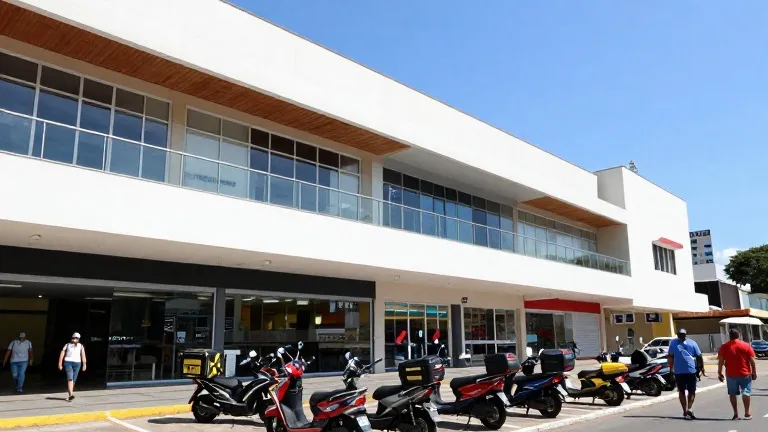
Osasco, formerly an industrial hub now referred to as the region's "Silicon Valley," has undergone an economic transformation over the last four years. Gilbert Almazan, a metalworkers' union leader, notes that metal, chemical, and textile factories have vanished from the landscape. In their place, five shopping malls have opened, and companies associated with delivery apps have expanded their presence in the city.
The city backed Lula in the 2022 election but moved to his rival in the first round this month. Flávio Bolsonaro won that national vote, continuing a streak where every first-round victor since 1989 has become president. The runoff is scheduled for Sunday, with both campaigns scrambling to secure final votes.
Almazan describes the traditional working class as no longer dominated by industrial labor. He refers to the new workforce of drivers and food couriers as experiencing "Uber-isation," a shift where flexibility is valued over the collective welfare actions that supported Lula's rise. Richard Lapper, a biographer of both candidates, argues that Brazil industrialized late and deindustrialized early, making these economic shifts particularly sharp.
Despite unemployment reaching a record low and Brazil being removed from the UN's Hunger Map, voters express frustration. Robson, a 53-year-old civil servant, cites heavy tax burdens and government mismanagement. Tairine, a hot dog seller, says she plans to vote for Bolsonaro because she perceives no change since Lula returned to office. Gisele Bonfim, a lawyer who supported Lula in 2022, now votes for Bolsonaro, citing a "hope of change."
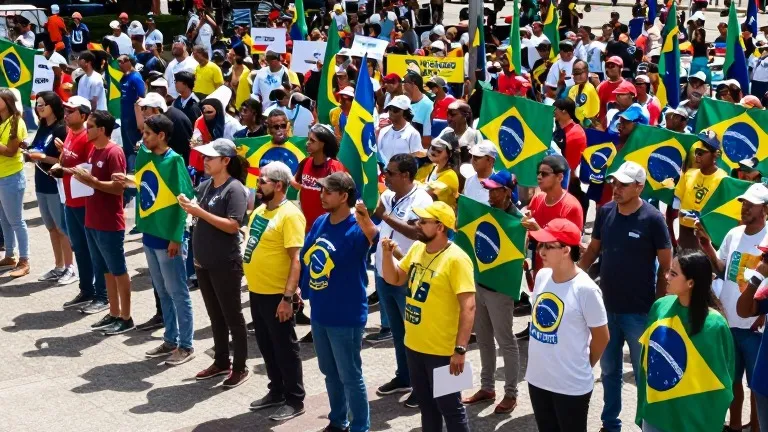
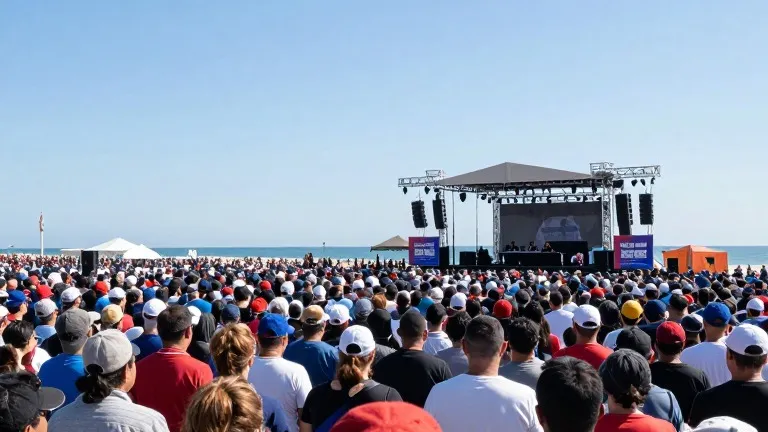
Flávio Bolsonaro has proposed cutting government spending and ministries while retaining some of Lula's welfare programs. Lula's campaign is responding with large street rallies, including one in São Paulo that reportedly drew about a million people. Lula, 80, has also used social media to counter narratives about his age, referring to himself as the "king of selfies."
In poorer areas like the Maré favela in Rio, Lula still wins despite higher-than-average abstention rates. Vitoria, an 18-year-old mother, supports Lula due to his minimum wage increases and free medicine policies. She opposes Bolsonaro's plan to designate the Comando Vermelho gang a terrorist organization, citing police raids in Rio last year that killed more than 130 people. Andreza Dionísio, a local resident, blames last-minute polling station changes and a sense of hopelessness for the low turnout.
Source: BBC News