Fusion Startup CFS Gets $85 Million to Build Reactor Chips
The Commerce Department award targets radiation-tough electronics to support upcoming commercial power plants.
By Olga Kaur ·
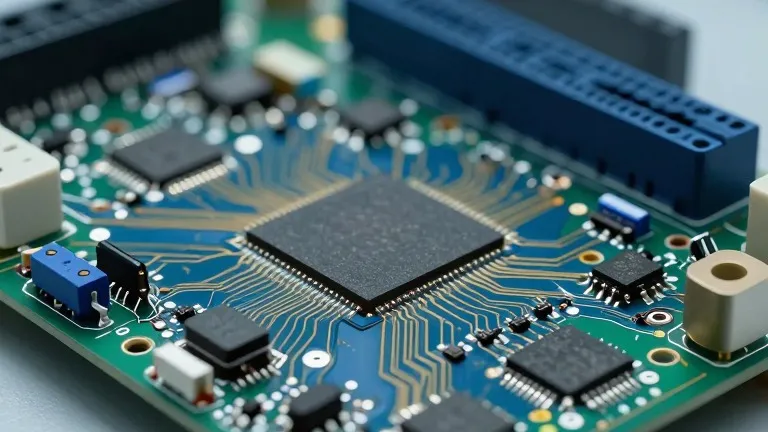
Commonwealth Fusion Systems will build specialized chips for fusion reactors with an $85 million federal award.
The company announced the funding on Thursday. The Department of Commerce issued the grant under the CHIPS Act. The agreement also gives the U.S. government a stake in CFS.
Fusion startups are currently building their first demonstration machines. CFS plans to activate its Sparc reactor next year. While a single reactor proves the technology works, commercial operations will require durable power electronics. Builders of future power plants need a reliable domestic supply chain to manage high voltages.
The award supports five specific development areas. The first focuses on silicon carbide power electronics. These components handle high voltage in electric vehicles, data centers, and cell phone base stations. In fusion machines, they drive the superconducting magnets that contain plasma.
CFS will also develop next-generation radio-frequency power generators. These devices heat the fusion fuel. A third effort targets advanced electronics for faster reactor control. These components are hardened against radiation to extend their lifespan. Longer component life should lower the operating costs of fusion power plants.
The final initiative adapts AI hardware, such as GPUs and TPUs, for use in power plants. Brandon Sorbom, co-founder and chief science officer at CFS, stated that the funding will strengthen the U.S. supply chain. He added that the work will help improve the domestic chip and power electronics industries. Sorbom said the project will also accelerate the progress of fusion energy toward the electrical grid.
The company said the money will expand manufacturing capacity for chips in the United States. The funding is directed toward research and development to create more capable and economical power plants.
Source: TechCrunch