Google's Finland Data Center Push Displaces Wolves Into Villages
Regulators have halted construction after massive forest clearing near Muhos and Otanmäki forced local wolf packs to seek food in nearby communities.
By Harper Hassan ·
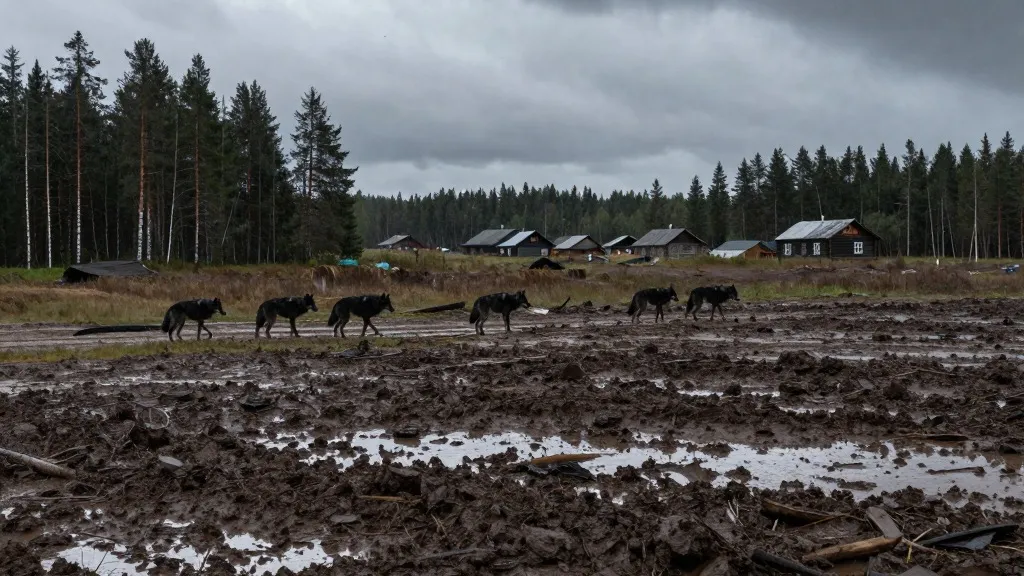
The rapid expansion of artificial intelligence infrastructure in Finland has triggered an unexpected ecological conflict, with wolf packs abandoning their traditional forests to roam into nearby villages. The displacement is a direct result of significant land clearing for data center projects that have turned wooded areas into muddy expanses. Residents in the affected regions report that the loss of natural habitat has driven wild animals, particularly wolves, closer to human dwellings, raising serious safety concerns for local families.
The tension between tech development and environmental preservation has come to a head in the areas surrounding Muhos and Otanmäki. Google, the American search and AI giant, is currently facing regulatory scrutiny and public backlash over these projects. The company’s Finland country manager has issued an apology for the unauthorized clearings, acknowledging the impact on the local landscape. Despite the apology, the pace of construction and the scale of the land alteration have left a lasting mark on the region.
The timeline of this dispute began with Google's efforts to build new data centers to support its growing AI operations. The company proceeded with clearing approximately 1,300 acres of forest, a process that regulators later deemed insufficiently authorized. The work transformed 816 acres of dense woodland into a muddy, open area. Additionally, another roughly 500 acres were cleared in a separate zone. These actions took place 55 miles southeast of the village of Otanmäki, a location known for its proximity to the affected forest ecosystems.
Local authorities have moved to intervene in the development process. The Finnish Licensing and Supervision Authority, known as LVV, issued an order requiring Google to cease work in the areas near Muhos and Otanmäki. This regulatory step follows earlier notices given to the company to stop construction activities in Muhos and the nearby town of Kajaani. The intervention signals a strict stance from Finnish officials regarding environmental compliance for large-scale tech projects.
The human impact of the cleared forests is becoming increasingly visible. Anni Ranta, a 53-year-old resident whose family has lived in Otanmäki for generations, described the changing dynamics of the local wildlife. She noted that wolves have been entering the village because the wild animals were forced out of the forest by the construction work. Beyond the immediate wildlife concern, Ranta expressed a broader fear that the presence of U.S.-owned data centers could make Finland a more attractive target for potential Russian aggression.
The environmental damage extends beyond the displacement of wolves. Local residents have voiced complaints about construction noise, the discoloration of local streams, and the decline of rare bird populations. These grievances have been echoed by environmental groups. A representative for the Finnish Association for Nature Conservation stated that Google's handling of environmental policy in this instance has been unprecedented and clearly flawed. The association, along with local communities, is pushing for stricter enforcement of conservation rules.
Google has responded to the regulatory orders with a statement of cooperation. A spokesperson for the company said it would fully comply with the requests from the LVV. The company expressed its desire to maintain an active and open dialogue with all relevant authorities to strengthen its partnership with Finland and local organizations. This diplomatic approach suggests that Google is aiming to balance its long-term business interests in the region with the immediate demands of regulators and the public.
The situation highlights a recurring theme in the global expansion of AI infrastructure, where environmental concerns are often raised by local communities. Similar complaints about the side effects of data center construction have been heard in the United States and other countries. For now, the focus in Finland remains on the halted construction sites and the displaced wildlife. The next steps will likely involve ongoing negotiations between Google and Finnish authorities to determine how the project will proceed, if at all, while addressing the environmental and social impacts that have emerged.
As the dust settles on the initial construction phase, the community of Otanmäki and neighboring villages will continue to monitor the movement of local wildlife. The resolution of this dispute will serve as a test case for how tech giants manage their environmental footprint in Europe. The balance between the economic benefits promised by new data centers and the preservation of local ecosystems remains a delicate one, with wolves and residents alike waiting to see how the muddy wastelands are handled.
Source: Tom's Hardware · original report published