
NASA’s Moon Landing Plan Now Hinges on 22 Spacecraft Launches
A new internal assessment suggests the Artemis program may require more orbital refueling flights than previously anticipated, raising questions about the timeline for crewed lunar missions.
By Olga Kaur ·
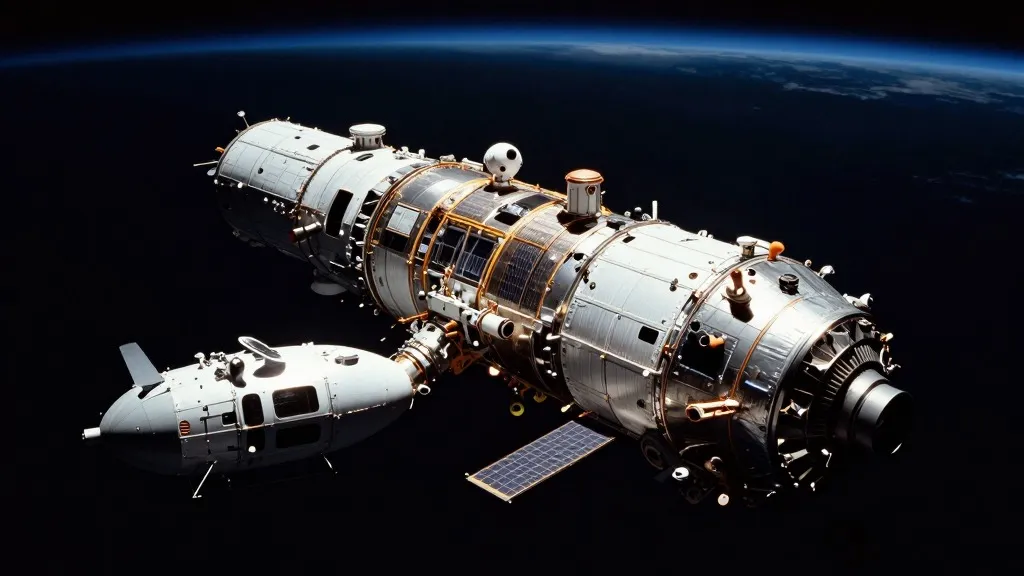
NASA is currently facing a significant logistical challenge regarding its plans to return humans to the Moon. The space agency’s latest internal estimates suggest that 22 separate launches of SpaceX’s Starship vehicle are required to successfully fuel a lunar lander for a crewed mission. This figure represents a substantial increase from earlier projections and highlights the complexity of moving massive amounts of propellant into low-Earth orbit.
For years, the specific number of Starship flights needed to support an Artemis mission has been treated as a sensitive metric within the agency. While NASA has not historically been secretive about its nuclear capabilities, it has guarded the launch count for lunar operations with unusual caution. The general stance from officials has been one of cautious ambiguity, often summarized by the sentiment that the agency does not want to commit to a precise figure until the technology matures further.
In 2023, Lisa Watson-Morgan, who served as the director of NASA’s Human Landing System, explained this reluctance to Ars Technica. She stated that while the agency had a general understanding of the requirements, she was hesitant to provide an exact number. Subsequent comments from her and other officials described the requirement as being in the range of high single digits to low double digits, or potentially in the high teens. These earlier figures implied that roughly a dozen launches might suffice to assemble a fully fueled stack in orbit.
The logic behind these numbers involves a process known as orbital refueling. SpaceX would first launch a 'depot' version of the Starship spacecraft into orbit. Following this, multiple 'tanker' versions of the vehicle would be launched to deliver liquid oxygen and methane propellant to the depot. The hope has consistently been that SpaceX could significantly increase the lift capacity of the Starship rocket, thereby reducing the total number of tanker flights needed to complete the task.
However, concerns are now mounting among some NASA officials that these efficiency gains may not arrive soon enough. There is growing anxiety that if the lift capacity does not improve rapidly, the Starship system may struggle to play a meaningful role in landing astronauts on the Moon within the current decade. The shift to a 22-launch estimate underscores the risk that the program is relying on technological improvements that have yet to be realized.
This new estimate emerged during the quarterly meeting of the NASA Aerospace Safety Advisory Panel held on Thursday. Charlie Precourt, a former NASA astronaut and member of the panel, discussed the various risks associated with the Artemis Program. His presentation highlighted the complexities of landing humans on the lunar surface and the logistical hurdles involved in supporting such missions.
The increased launch requirement has significant implications for the overall cost and schedule of the Artemis program. Each additional flight adds to the financial burden and introduces more opportunities for technical failures or delays. For readers in New York and New Jersey, this development is a reminder that the path back to the Moon is not just about building a lander, but about solving the intricate puzzle of moving fuel across the void of space with precision and efficiency.
As the agency moves forward, the focus will remain on whether SpaceX can deliver the necessary performance boosts from its Starship vehicle. If the 22-launch estimate holds, NASA will need to adjust its planning accordingly, potentially affecting the timeline for the first crewed lunar landings. The situation underscores the delicate balance between ambitious goals and the practical realities of rocket engineering.
Source: Ars Technica · original report published