Tesla Targets Late 2027 for Optimus Deliveries as Hand Mechanics Remain a Hurdle
Elon Musk confirms a production timeline for external humanoid robot sales, citing persistent challenges in durability and AI generalization.
By Fatima Davis ·
Tesla has officially set a target for the end of 2027 to begin delivering its Optimus humanoid robots to external customers. During the company’s Q3 2026 earnings call, CEO Elon Musk outlined the specific technical hurdles that must be overcome before these units can leave the factory, identifying the robot’s hands, overall durability, and artificial intelligence capabilities as the primary areas requiring further development.
Production of Optimus units has already commenced on the high-volume line in Fremont, California, a facility previously dedicated to Model S and Model X assembly. Musk noted that while the infrastructure is largely in place to support a theoretical output of one million robots annually, reaching that pace of approximately 20,000 units per week will take at least a year. This delay is attributed to ongoing design modifications, particularly in the electromechanical components. The company aims to solve these reliability issues by the end of next year, with initial external deliveries focused on industrial applications that are dangerous, repetitive, or require 24/7 operation.
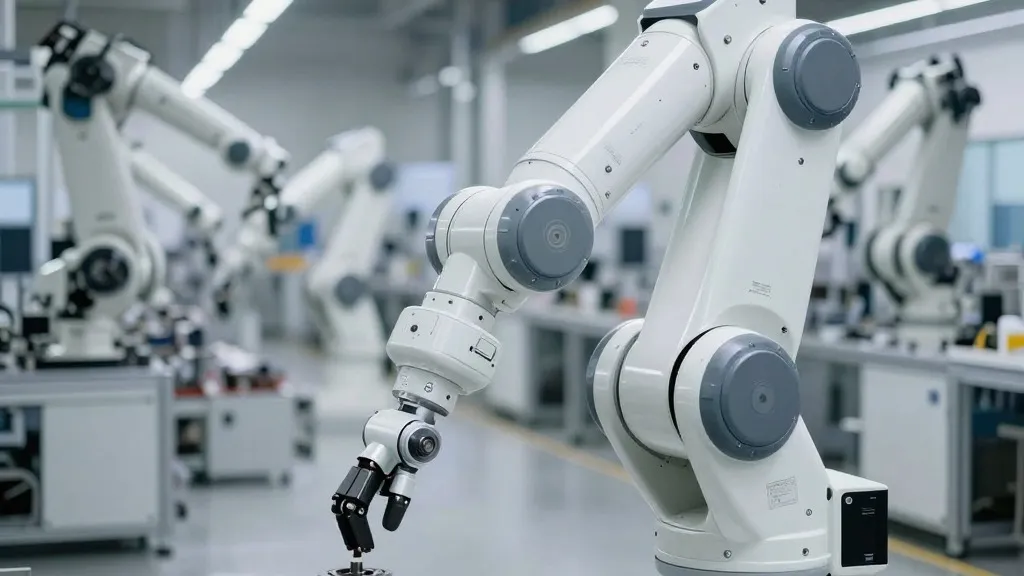
The most significant hardware challenge remains the robot’s dexterity. A Tesla engineer highlighted the hand as one of the most difficult areas to perfect, noting that the fingers must be soft enough to handle delicate items while enduring constant wear, a feat human skin manages naturally but mechanical parts struggle with. Custom gears also present reliability concerns. On the software side, Tesla is addressing AI architecture limitations by planning to build 10,000 to 20,000 robots for an internal practice environment known as the Optimus Academy. Since the company lacks a large fleet of robots to collect real-world data like it does with its cars, this dedicated training group is essential. The AI5 chip is also slated for integration into the robots by April 2027.
Musk asserted that no other company is currently close to Tesla in general-purpose humanoid development. However, competitors are making steady progress. XPeng recently activated an automated production line for its IRON robot in Guangzhou, with mass production planned for late 2026 and deliveries beginning in the first half of 2027. Meanwhile, Boston Dynamics has started producing its electric Atlas and has secured committed deployments for 2026, including work with Google DeepMind. Boston Dynamics also hired Milan Kovac, Tesla’s former head of Optimus, in January, signaling a shift in industry talent.
The stakes for Tesla are high, as previous timelines for Optimus have slipped repeatedly. In 2024, Musk predicted internal use in 2025 and high-volume external sales in 2026, but those goals were not met. Now, with external deliveries pushed to late 2027, the company faces pressure to deliver on its promises. The Q3 shareholder letter describes current Fremont output as the first production-quality bots, implying earlier units were not ready for prime time. As competitors adopt pragmatic approaches to industrial dexterity, Tesla must prove its robots can generalize to new tasks without scripted routines. A video demonstrating this capability is promised within the next month or two, which will be a critical test of the company’s progress.
The broader implication is that the gap between leading humanoid developers is narrowing. While Tesla may have built the most robots, the ability to make them useful in real-world scenarios remains the defining metric. Both XPeng and Boston Dynamics have established production schedules and committed customers, challenging Tesla’s claim of a clear lead. For investors and industry observers, the next few months will determine if Tesla’s late-2027 target is realistic or if the timeline will shift once again.
Source: Electrek · original report published
More Business · Buyer Beware · Report a business · Got a Story?