Tesla's Fremont Line Begins Producing Commercial-Grade Optimus Robots
The company is ramping manufacturing and establishing a new training method for its humanoid robots.
By Harper Hassan ·
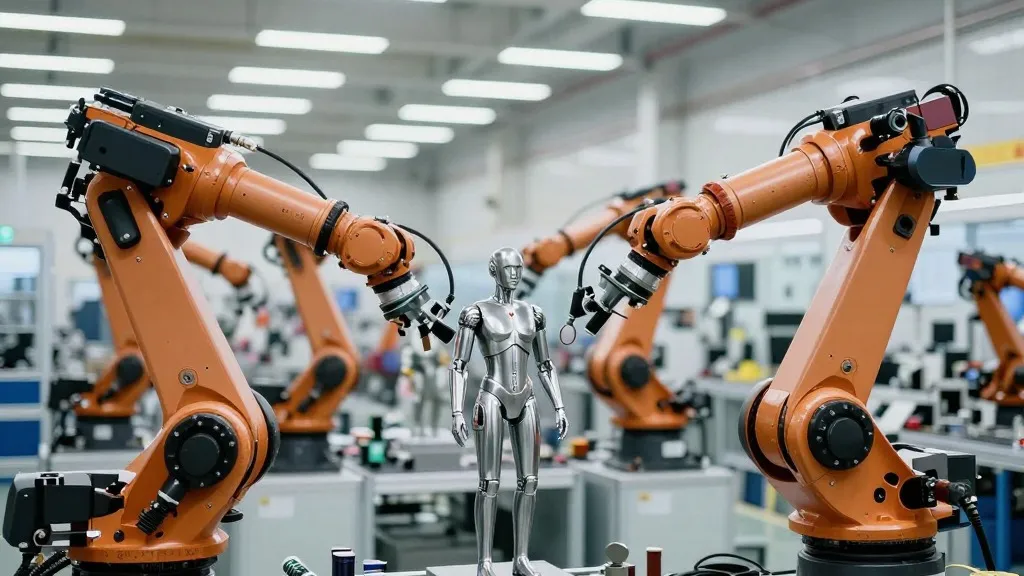
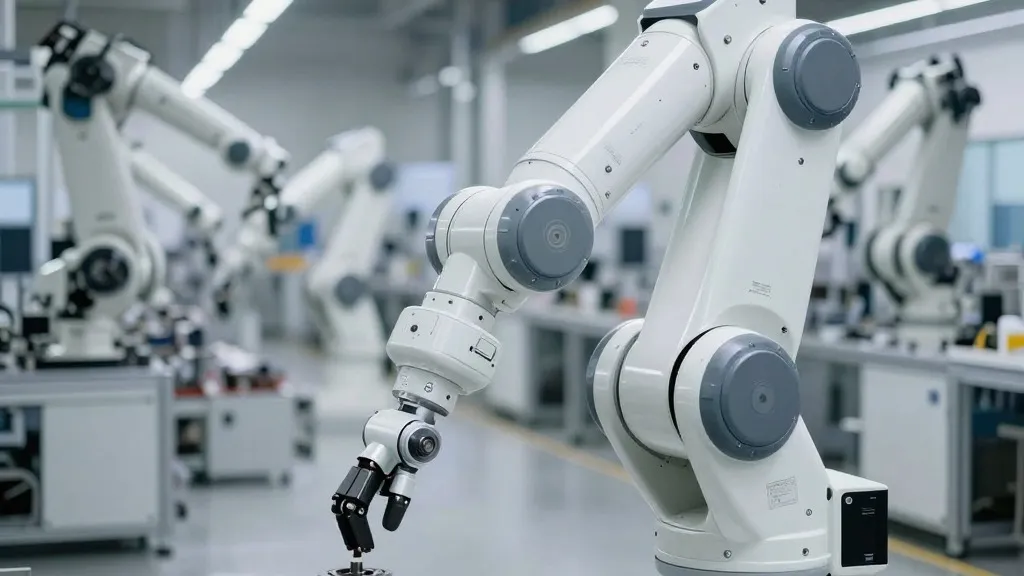
Tesla is moving its humanoid robot program into a commercial phase, beginning with the first units deemed suitable for sale. In its third-quarter shareholder letter, the company stated that the Optimus units now rolling off a production line in Fremont are the first to meet its quality standards. This development signals a shift from experimental prototypes to a product intended for external customers.
The company has confirmed that its manufacturing process for Optimus is ready for commercial deployment. The production line is located in a Fremont factory area that previously built Model S and Model X vehicles. Tesla cleared that space in just 46 days this past spring to create a new line designed for a massive annual output. On the recent earnings call, Elon Musk said most of the necessary equipment for this high-volume capacity is already installed at the factory.
Production is set to scale significantly. Musk indicated that output will rise toward approximately 20,000 robots per week as the line ramps up. He described this growth as a classic S-curve, where the initial rate of increase is slow before accelerating. The company is currently focused on refining the robot's artificial intelligence, hardware design, reliability, and operational lifespan, with that work expected to conclude by the end of next year.
Following the completion of this development phase, Tesla plans to begin delivering Optimus units to other companies. The initial target is for roles involving dangerous, repetitive, and continuous tasks. This transition to a commercial product would mark a significant step for the program, which has been in development for several years.
A key challenge for the company is training the robot's intelligence. While Tesla's vehicles collect vast amounts of real-world driving data from millions of cars on the road, the company does not have a large fleet of Optimus units to provide similar data. To solve this, Tesla is establishing an Optimus Academy, a facility where 10,000 to 20,000 robots will perform a variety of tasks. The lessons learned from this activity will be used to improve the AI model for subsequent robots.
Every unit manufactured at the Fremont facility will also be a source of training data, contributing to the robot's overall capability. The company is also preparing to install its next-generation AI5 chip in Optimus next year. Musk stated that a new demonstration video showing the robot completing tasks using its AI, rather than pre-programmed motions, is expected within one to two months.
The supply chain is also being prepared for mass production. In September, Tesla certified three companies as mass-production partners for Optimus components. The company is also constructing a much larger factory for the robot at its Giga Texas location, where the steel frame of the building is nearing completion. This new facility has a long-term target of producing 10 million robots annually.
Tesla executives reported that the manufacturing costs for Optimus are moving toward the expected cost of its Cybercab vehicle, indicating a focus on production efficiency. However, the robot's hands remain the most difficult part of the design to build. Musk acknowledged this at an earlier event this month, and the company is concentrating much of its engineering work on improving this component.
Source: Teslarati · original report published
More Business · Buyer Beware · Report a business · Got a Story?