2026: The Final Deadline for Tesla Cybercab Customer Deliveries
Tesla executives confirmed that the two-seater robotaxi will be available for private purchase by the end of this year, with the majority of units initially reserved for the company's internal fleet.
By Harper Hassan ·
The year 2026 has been established as the definitive deadline for when Tesla’s Cybercab units will be available for purchase by the general public. This timeline ends the ongoing speculation regarding the near-term availability of the company’s fully autonomous vehicle. The announcement was made during Tesla’s third-quarter earnings call held on October 21, 2026, providing a concrete schedule for a product that has been under development for several months.
Vice President of Engineering Lars Moravy stated that the company is aiming to begin delivering the purpose-built Cybercab robotaxi to customers before the end of the current year. He clarified that production is currently underway on the line at Gigafactory Texas. However, he noted that all units currently being produced are being directed toward Tesla’s own internal Robotaxi fleet rather than external buyers. This strategy allows the company to refine its operations before opening the doors to private ownership.
Moravy explained that as operations scale, Tesla will mainly deliver fully designed autonomous vehicles to its customers, with the Cybercab serving as the first such vehicle. He indicated that initial customer deliveries will start on a small scale. This phased approach is designed to allow the company to gain experience with delivery logistics, ownership models, fleet management, and the operation of autonomous vehicles outside of its direct control. The goal is to ensure stability in these systems before expanding the customer base significantly.
CEO Elon Musk reinforced the limited nature of private sales during the same call. He described the Cybercab primarily as a “transport-as-a-service” offering, distinguishing it from personal ownership vehicles such as the Model 3, Model Y, or the upcoming Roadster. Musk emphasized that the vast majority of the Cybercab inventory will remain Tesla-owned and operated as a service, rather than being sold individually to consumers who intend to use them as private cars.
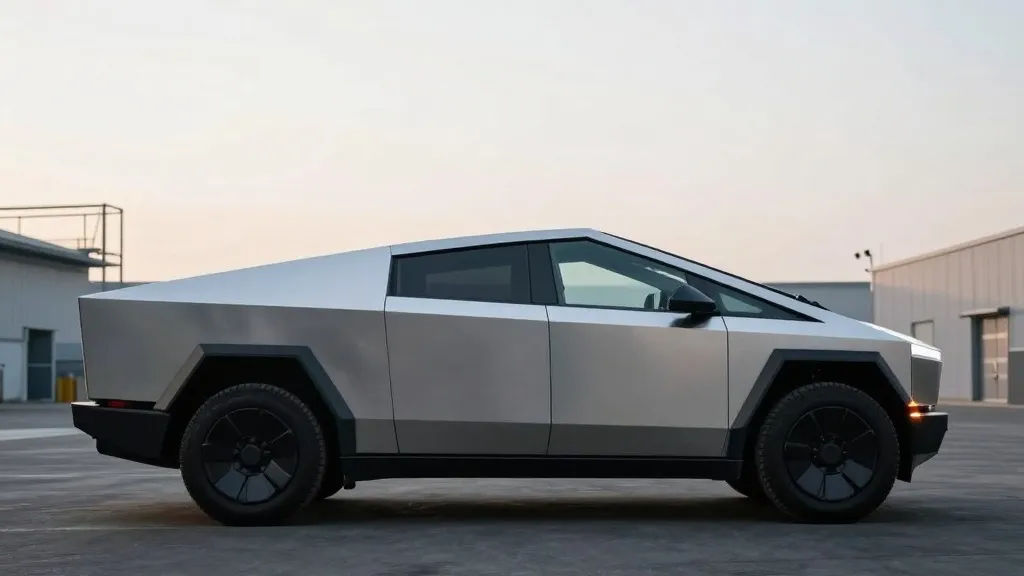
The Cybercab is a two-seater vehicle developed without a steering wheel or pedals. It relies completely on Tesla’s Full Self-Driving suite to operate. The vehicle has been in production since February of this year. Early units have been integrated into Tesla’s Robotaxi service as of early September, when the company launched rides to the public. This period has served as a critical testing phase for the vehicle's performance in real-world conditions.
Tesla previously indicated that it would aim to sell Cybercabs for approximately $30,000. This price point is intended to make the vehicle accessible for both corporate fleet operators and individual customers who may choose to purchase the unit for personal use or small-scale commercial applications. The pricing strategy aligns with the company’s broader goal of making autonomous transportation affordable and widely available.
Looking ahead to 2027, Ashok Elluswamy, Tesla’s Head of AI, indicated during the call that unsupervised Full Self-Driving is expected to ship to consumer cars during the second quarter. This milestone will likely influence the value proposition of the Cybercab for private buyers, as the technology matures. However, early buyers or fleet operators may receive vehicles whose autonomous operation remains geographically restricted due to lagging regulatory agencies.
Despite the confirmed timeline for deliveries, there remain several hurdles ahead of the Cybercab reaching customers. These include the finalization of regulatory approvals and the logistical challenges of managing a new type of vehicle in the market. Tesla’s leadership remains focused on clearing these obstacles to ensure that the end-of-year target is met, marking a significant step in the commercialization of its autonomous vehicle program.
The announcement signals a shift in Tesla’s strategy from purely internal testing to a broader market launch. By prioritizing the Robotaxi fleet first, the company aims to establish a reliable service before expanding into private sales. This approach reflects a measured strategy to manage risk and ensure customer satisfaction, setting the stage for a potential expansion of autonomous vehicle offerings in the coming years.
Source: Teslarati · original report published
More Business · Buyer Beware · Report a business · Got a Story?