iPhone Duo Sidebar Consumes 15 Percent of 5.4-Inch Screen
A fixed dock on the right edge leaves a large portion of the cover display unused, a design choice that contrasts with the Galaxy Z Fold 8.
By Harper Hassan ·
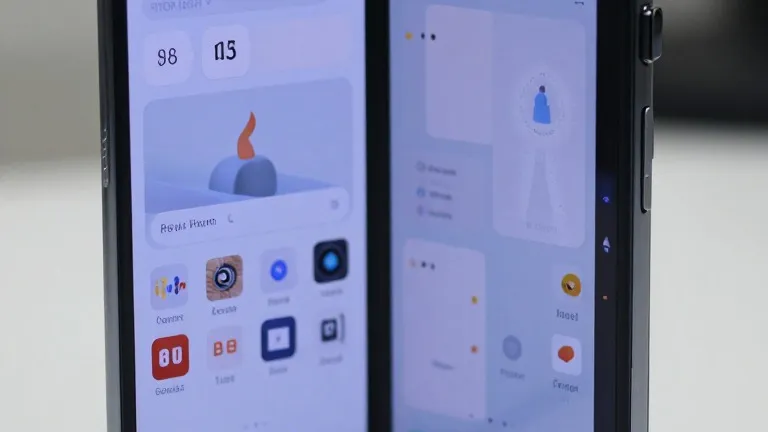
Users picking up the new foldable iPhone Duo face an immediate change in how they interact with the device's small outer screen. A fixed sidebar now occupies the right edge of the display, reducing the usable area by roughly 15 percent. This layout leaves a noticeable band of the 5.4-inch panel essentially empty, creating a cramped viewing experience for apps that do not adapt to the reduced width.
Allison Johnson of The Verge noted that the iPhone Duo feels harder to use with one hand than Samsung's competitor. The Galaxy Z Fold 8 has a taller and narrower physical shape, which allows its cover screen to be navigated more easily. For consumers who preferred the Z Fold 8 specifically for the utility of its outer display, this difference in ergonomics is a major factor in daily use.
The core issue is the placement of the dock. Apple intended the sidebar to simplify navigation, but it creates a rigid boundary for content. Media and apps are forced to stretch to fit the remaining space, mimicking the aspect ratio of a traditional slab smartphone. This approach wastes screen real estate that could otherwise display more information or larger images.
In contrast, the Galaxy Z Fold 8 allows users to keep their screen space free for main content. When users opt for navigation gestures on the Z Fold 8, very little of the outer display goes to waste. Even when a navigation bar is enabled on the Samsung device, the layout does not lock away a permanent column of pixels, leaving the interface feeling more open and flexible.
This is Apple's first attempt at a wide foldable, and early reviews suggest the software has not fully caught up with the hardware. Samsung and Google have spent years refining Android for large screens, while iOS is still adapting to the form factor. The iPhone Duo is available now, though its initial rollout is limited compared to the ongoing success of the Galaxy Z Fold 8.
The visual difference between the two devices is stark. A post on X highlighted the severe disparity in usable space, showing how the iPhone Duo's dock creates a dead zone on the right side of the screen. For users who rely on the cover display for quick tasks, that lost 15 percent of the panel is a tangible reduction in functionality.
Source: 9to5Google