Iran Threatens US Navy Amid Trump's Uncertainty on Next Military Step
Iranian commanders warned Washington to stay out of Persian Gulf waters as the president considered new strikes and crude oil prices hit an eight-month high.
By Harper Hassan ·
President Donald Trump signaled on Friday that the United States has not decided how to proceed in the ongoing conflict with Iran, leaving open the possibility of a second massive bombing campaign.
Speaking to a crowd in Florida, Trump stated that the US military may launch another operation similar to the initial large scale strike. He framed the decision as a choice between ending the fighting quickly with heavy airstrikes or continuing to squeeze Tehran through naval blockades and economic sanctions. This uncertainty prompted a sharp response from Iranian military leadership on Saturday morning.
Ali Abdollahi, the chief of general staff for Iran's armed forces, issued a statement via state media declaring that US Navy vessels cannot re-enter Iranian territorial waters or the surrounding areas. Abdollahi asserted that Iran can target any ship in the region and mocked the US president's desire for his troops to return to the Persian Gulf. He argued that American rhetoric is contradictory, noting that Washington claims to have destroyed Iran's military capabilities yet refuses to move its aircraft carriers closer to the Iranian coast.
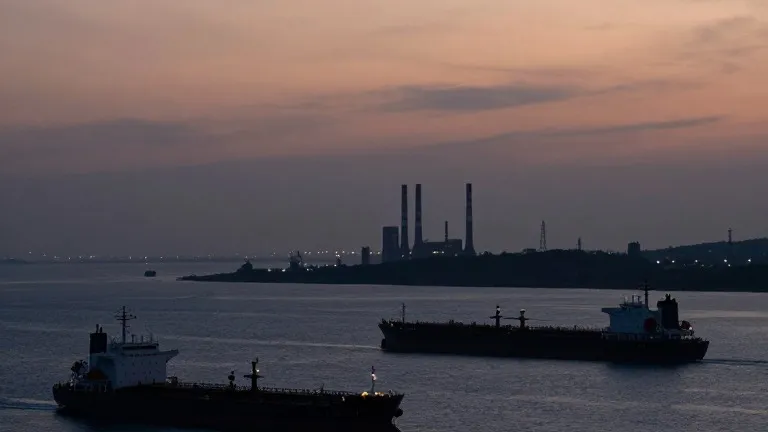
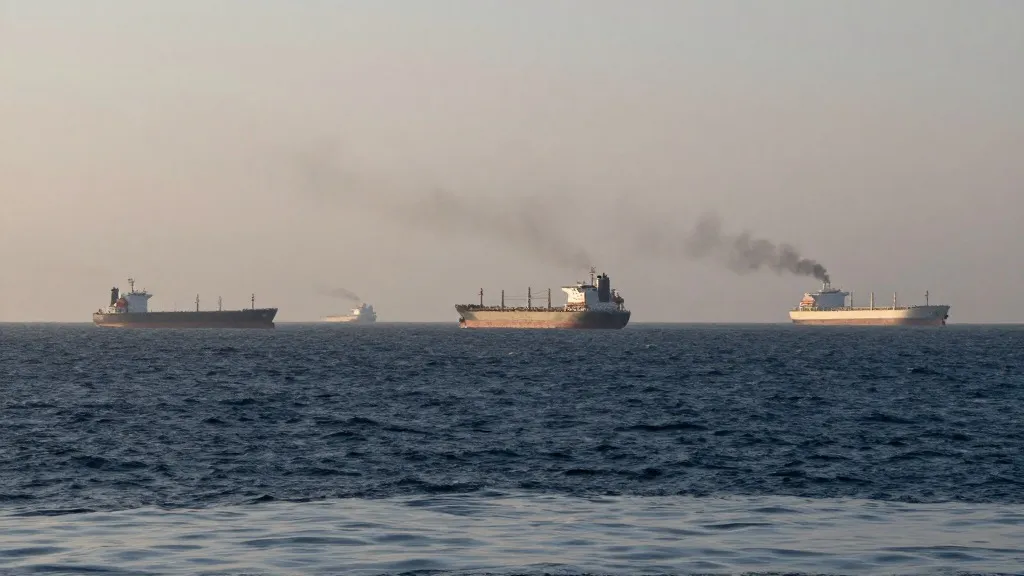
Abdollahi said Iranian forces intend to drag the US and Israel into a difficult and prolonged struggle in return for the surprise attack on February 28 that started the eight month war. The conflict has significantly impacted global energy markets, pushing Brent crude to approximately 117 dollars per barrel, its highest level since April. Shipping in the Strait of Hormuz remains under threat, with the Islamic Revolutionary Guard Corps reporting that seven tankers were attacked or hit mines overnight into Thursday and two supertankers struck mines on Friday.
Other fronts of the regional conflict remain active. The Houthis in Yemen struck Riyadh on Saturday following recent attacks on Dammam airport and the Shaybah oilfield, while Saudi forces bombed Houthi held areas. In southern Lebanon, Israeli air strikes hit areas near Nabatieh, and artillery fell near Zawtar ash Sharqiyah. Prime Minister Benjamin Netanyahu ordered a lockdown of the occupied West Bank on Saturday after two Israeli soldiers were killed in an attack in Hebron, just days before his October 27 election.
Iranian analysts claim Tehran has activated a dead hand doctrine that allows attacks to continue from all 31 provinces if senior leaders are assassinated. The IRGC has also threatened seabed internet cables if civilian infrastructure is targeted again. Diplomatic efforts have stalled, with senior ministers from Turkiye, Saudi Arabia, Pakistan, and Egypt meeting in Istanbul without US or Iranian representatives. Turkiye's Foreign Minister Hakan Fidan warned that a new attack would widen the war, while German and regional ministers blamed both Iran and Israeli occupation for the instability.
Iranian state media described the diplomatic meeting as a gap between claims and reality, arguing that the US and Europe must concede first. Reformist newspapers suggested the zero hour for another intense round of fighting is approaching, and analysts noted that Iran will no longer negotiate while under bombardment.
Source: Al Jazeera