School Protests in France: A Nation Marches for Change
Massive demonstrations across France reflect growing frustration over education funding and aggressive policing tactics.
By Harper Hassan ·
A wave of massive public demonstrations has swept through France, highlighting a deepening crisis over education and public order.
The movement began in mid-September when secondary school students started protesting against severe staff shortages, dilapidating infrastructure, and overcrowded classrooms. What started as a student-led initiative quickly expanded into the largest youth movement in years, drawing in teachers, parents, and major trade unions. The conflict has now evolved into a broader social and political challenge for President Emmanuel Macron, who is entering the final months of his term. Police investigations are currently underway following reports that some children and protesters were injured by explosive police weaponry. The situation has created a tense atmosphere where citizens feel the government is resisting their demands, leading to a sustained weekly rhythm of public action.
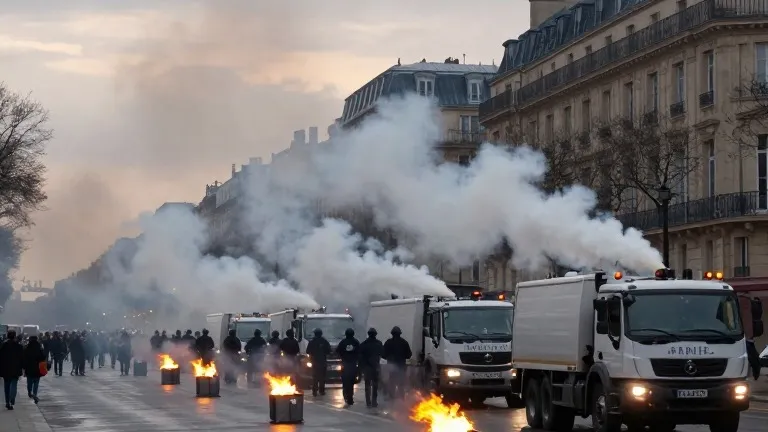
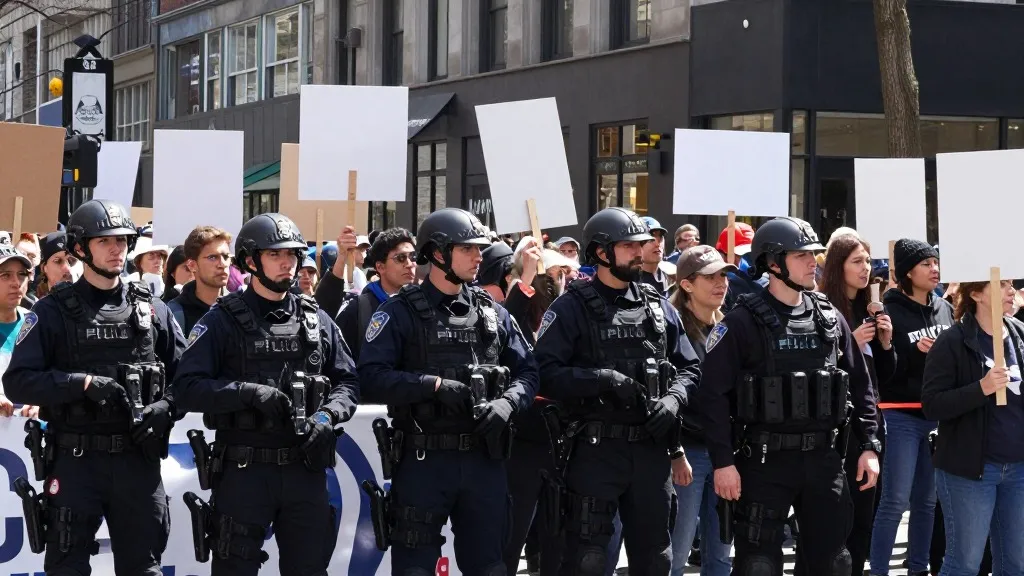
On Saturday, the scale of the unrest became undeniable as hundreds of thousands of people took to the streets in cities across the country. In Paris alone, government estimates placed the number of marchers at 110,000, while trade unions claimed the national total was at least 800,000. The government deployed over 70,000 police officers to manage the crowds, leading to significant closures of shops and museums. This was a strategic response to the previous weekend, which saw one of the most violent days of unrest in recent years, including looted stores and at least 2,700 arrests. The mood in the capital was initially relaxed, with brass bands playing and families participating, but tensions rose near the city’s eastern edge at Porte de Vincennes. There, groups of masked individuals threw stones and bottles at officers, who responded with teargas, water cannons, and stun grenades. Similar clashes involving bin fires and teargas occurred in Lyon, Lille, Montpellier, Nantes, Toulouse, and Marseille.
Protesters expressed specific anger at the government's decision to ban non-union demonstrations it deemed illegitimate and to keep crowds away from city centers. Participants cited the high cost of living and what they described as heavy-handed policing. One communications worker, who was teargassed at a peaceful march the previous weekend, stated that she was returning to support those brave enough to demonstrate, noting that people are now afraid. A university student from a blockaded science faculty described the current climate as an authoritarian regime attempting to suppress democratic rights. In Orléans, crowds specifically targeted both President Macron and Marine Le Pen, the frontrunner in next year's presidential election, shouting slogans calling for the president to resign and for Le Pen to be imprisoned. The interior minister, Laurent Nunez, reported 135 arrests nationwide and the confiscation of various items, including slingshots, steel balls, and a katana sword.
The path forward remains uncertain as the movement shows no signs of slowing down. Key figures from the 2018 and 2019 gilets jaunes protests, such as Jerome Rodrigues, suggested that the government’s fear is driving it to push demonstrators to the city's edges, away from centers of power. He predicted that demonstrations would likely continue every weekend. For many participants, the march is a personal act of defense for the right to protest in the streets. As Macron steps down next year, the pressure on the state to address the needs of working families and students intensifies. The next few weeks will likely bring more weekly marches, with both sides preparing for continued friction over the role of police in managing public dissent.
Source: The Guardian