Libya-Turkey Sea Accord Unlocks Gas Riches, Sinking EastMed Plans
A unanimous vote in Tripoli creates a direct energy corridor, cutting across a major European pipeline project.
By Olga Kaur ·
Energy security and resource access are driving new alignments in the Mediterranean as the region's political fractures deepen. Libya's parliament voted unanimously on Tuesday to approve a maritime pact with Turkey, establishing a direct economic corridor linking the Turkish southern coast with Libya's north. This move is expected to intensify tensions, particularly with Greece, as the two nations vie for control over lucrative undersea deposits.
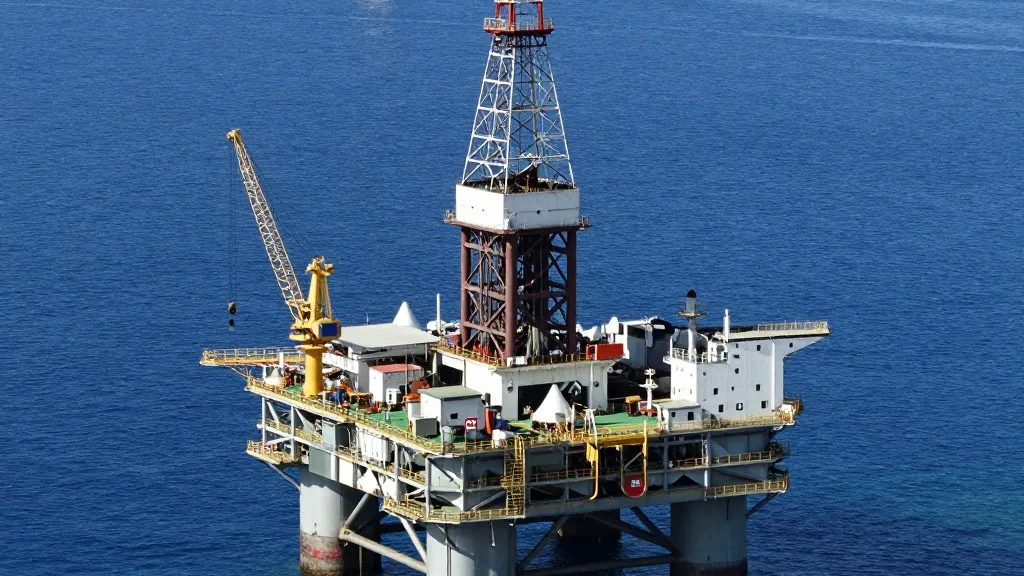
The agreement creates a direct route for Ankara and Tripoli to jointly exploit natural gas reserves. Estimates suggest the seabed in this area could hold gas worth several hundred billion US dollars. By securing this corridor, Turkey and Libya aim to formalize their economic rights to these resources, a step that has drawn immediate condemnation from neighboring states.
Athens has rejected the accord, citing its own claims to an exclusive economic zone surrounding islands like Crete, Rhodes, and Karpathos. The Greek Foreign Ministry stated it firmly rejects the deal, noting the European Union has declared the memorandum null and void for violating the sovereign rights of third states. The legal dispute hinges on the UN Convention on the Law of the Sea, which Greece follows but Turkey has not signed, with Ankara arguing that Mediterranean geography must be given special weight to prevent its exclusion from open waters.
The economic implications extend beyond resource extraction, threatening to derail a major European energy project. The new corridor crosses the planned route for the EastMed pipeline, which is intended to transport gas from Israel and Cyprus through Greece to bolster European energy security. Turkey has maintained that it must consent to any pipeline or cable projects crossing its claimed continental shelf, placing the project's viability in jeopardy.
This diplomatic shift follows years of political maneuvering in Libya. Since 2019, when Turkey intervened militarily to support the government in Tripoli, Ankara has pursued a rapprochement with the rival eastern faction led by General Khalifa Hifter. Turkish companies have secured billions in reconstruction contracts, and the state oil company is collaborating with Libya's National Oil Corporation on seismic surveys, while also supplying weapons and training to Hifter's forces.
The alignment of these nations suggests the region could fracture into opposing economic blocs. On one side stands a Turkey-Libya partnership focused on energy corridor access. On the other, Greece, Cyprus, Egypt, and Israel are pursuing their own maritime infrastructure plans, with the European Union backing their stance against the new pact.
Source: Deutsche Welle
More Business · World news · Buyer Beware · Report a business · Got a Story?