NYC Housing Vacancy Rate of 1.41% Drives Divergent Campaign Proposals
Governor Kathy Hochul and challenger Bruce Blakeman present distinct strategies to address the state's housing shortage as the election approaches.
By Harper Hassan ·
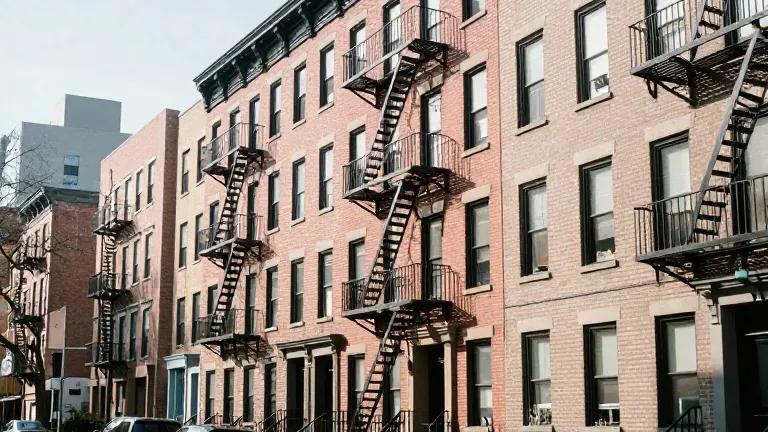
The New York City rental market remains tight, with a vacancy rate of just 1.41 percent recorded in 2023. This scarcity forces many residents to allocate a large portion of their income to rent or share living space. The issue has become a central point of contention in the race for New York governor, pitting Democrat Kathy Hochul against Republican Bruce Blakeman.
Hochul advocates for increasing the total supply of housing units through construction and financial incentives. Her administration has committed to a five-year plan valued at $25 billion to create or preserve 100,000 affordable homes. As of October 28, 2026, officials reported that the state had surpassed 87,000 units under this initiative. The term preserve indicates maintaining existing units as affordable rather than building new ones. Hochul stated in an interview with Gothamist that she wants to build more housing and noted that the state has lacked the ambition to do so for decades.
Her agenda, labeled 'Let Them Build,' includes reforms to environmental review processes to speed up project approvals. Changes to the state environmental review law were added to the fiscal year 2027 budget. Hochul has not reinstated her 2023 proposal to mandate construction targets for all municipalities, a move that was previously withdrawn due to local opposition. She now favors regulatory flexibility and incentives over strict mandates.
Blakeman, the Nassau County executive, proposes a different approach focused on revitalizing smaller cities and returning vacant apartments to the market. He aims to attract residents to inland cities like Syracuse by boosting their economic viability. In an August interview, Blakeman said the state must put these cities on their feet and turn them into economic zones where people want to live. His plan also involves modifying state laws to allow owners to return rent-stabilized vacant apartments to the market by adjusting rent increase limits.
Blakeman’s proposal would require legislative support to pass. It faces resistance from Democrats who currently control both chambers of the state legislature. While his approach could increase the number of available units, allowing for higher rent increases does not automatically guarantee lower rents for tenants. The city had approximately 33,210 available rental units in 2023 out of a total rental stock exceeding 2.3 million units.
Taylor Rivers, a Brooklyn worker earning $34,000 annually, told Gothamist that she was searching for an apartment costing $1,200 per month. A review of StreetEasy listings found no matches at that price point. Rivers described lowering rents as the primary priority for the next governor. The campaign proposals focus on long-term supply and policy changes rather than immediate rent reductions.
The next state government will address how to expand housing stock while preventing displacement of current residents. For those needing a new apartment immediately, construction goals or legal changes do not substitute for an affordable lease. The effectiveness of these proposals will be measured by the number of genuinely affordable units created, the income limits applied, and the timeline for implementation.
Source: El Diario La Prensa