USDA outlines $15 billion in aid for farmers ahead of midterm vote
The payments aim to offset soaring fuel and fertilizer costs, with officials releasing details just two days before rural voters head to the polls.
By Olga Kaur ·
The Department of Agriculture has announced a package of initiatives totaling $15 billion to support American agriculture producers. Officials unveiled these funds in the final stretch before the midterm elections. The measures are designed to help farmers manage higher operating costs for diesel and fertilizer. These expenses have risen sharply due to tariff policies and the conflict in Iran.
The administration aims to support producers in competitive agricultural states. President Donald Trump visited Iowa and Kansas on Sunday, two days before the election. His presence in these rural areas suggests a strategic focus on winning over farm communities. Whether the new funding will influence voter turnout in traditionally Republican districts remains a key question for analysts.
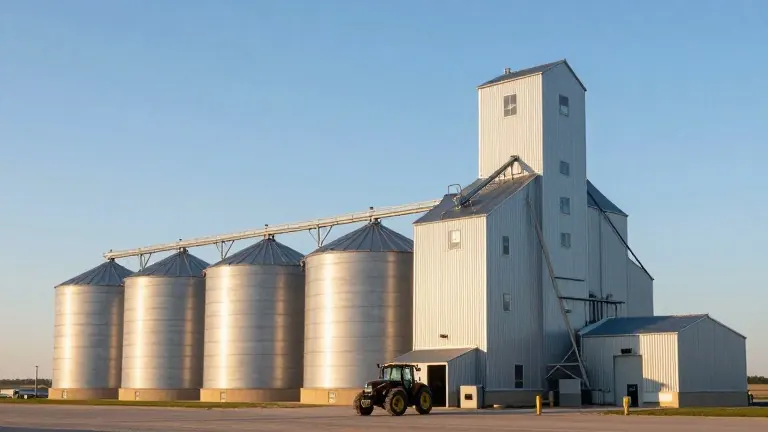
More than half of the $15 billion will fund an $8 billion one-time payment plan. This portion specifically targets farmers dealing with high diesel prices. The agency stated it will release further details about the payment structure this month. The exact timeline for when funds reach farmers, who rely on diesel for tractors and combines, is not yet clear.
Other components of the package include at least $5 billion in guaranteed loans for ranchers and fishermen. An additional $1.8 billion is allocated to producers and landowners in conservation programs. The plan also directs $573 million toward fertilizer manufacturing projects. A further $57 million is set aside for expanding meat processing facilities, while $86.6 million in grants will support innovative projects for specialty crop producers.
USDA officials said the agency would purchase up to $472.5 million in agricultural commodities. These purchases are intended to support producers and provide goods to charitable programs. The department also announced efforts to expand sales of off-road diesel fuel. It plans to improve transparency in cattle sale data and strengthen wolf management policies to protect livestock.
Farmers have faced financial pressure this year from rising input costs. Diesel averaged $6.32 per gallon on Friday, according to AAA data. That price is 70 percent higher than a year ago. Filling a 100-gallon tank now costs $260 more than it did in the previous year. Trade tensions with China also contributed to a decline in demand for U.S. agricultural goods.
Gregg Ibendahl, a farm management specialist at Kansas State University, estimated the payments will cover the increase in fuel costs. He noted the funds could also assist with high fertilizer prices. However, he said these ad hoc payments do not resolve the underlying issues driving up production expenses. He expressed concern about how lenders will view farmers' financial stability in future loan applications.
Alexandra Middlewood, an associate professor of political science at Wichita State University, reported mixed reactions from farmers. Many are relieved that their businesses will survive the year, but some view the aid as a temporary bailout rather than a long-term solution. Michael Smith, a political science professor at Emporia State University, observed that rural voters admire the president personally but may not support his policy decisions. He noted that while Trump is not on the ballot, his policies are effectively being judged by voters. Middlewood said independent voters in Kansas may choose to sit out the election or vote for third parties, which could impact Republican candidates.
Source: The Aegis