Petrol Costs Rise as Treasury Lowers Economic Outlook for December Update
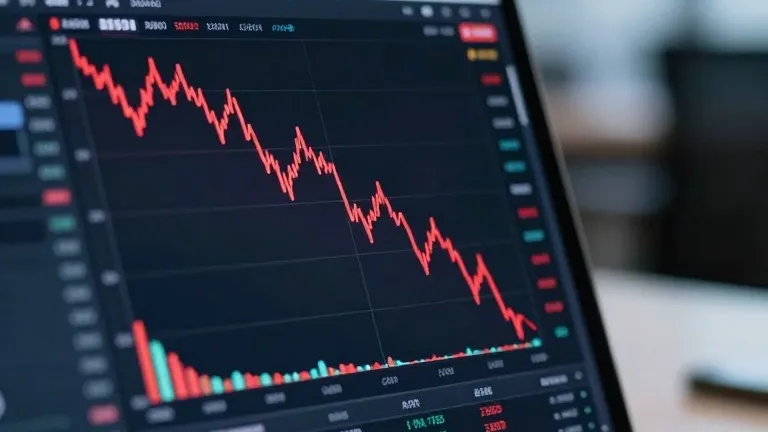
Oil reached US$113 a barrel and the cost of filling a 60-litre tank rose by $36, while Treasury officials prepare lower growth and higher unemployment forecasts.
By Fatima Davis ·
Treasurer Jim Chalmers said on Friday that Treasury officials are reducing projections for growth and jobs ahead of the December mid-year budget update. His comments came as the global benchmark oil price climbed to US$113 per barrel, close to the April high near US$120. The speech he gave last week had described conditions as 'a bit better' in a year.
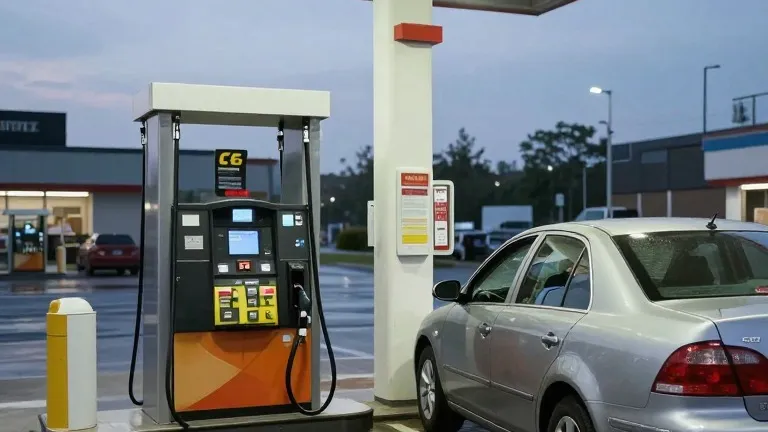
The conflict in the Middle East sits behind the price move. Since the United States and Israel struck Iran, Australian drivers have paid 60 cents more per litre than in February. Filling a 60-litre tank costs $36 more than it did before those attacks, and a household refilling weekly pays $144 more per month.
Reporting from the New York Times said overnight that the United States and Israel have prepared plans to resume attacks on Iran after the American midterm elections. Analysts at Westpac modelled a scenario in which oil approaches US$150, a level the International IMF warned about earlier this month. The Reserve Bank's Andrew Hauser called high inflation, low growth, and rising unemployment a central banker's "nightmare".
Chalmers told Politico that the pressures on households are "very substantial and obviously that keeps me awake at night." He said some causes sit outside Canberra's control, while others fall to the government, including cost of living help and budget management. He added, "we're hostage as well to decisions taken in DC or Tehran or in Eastern Europe about two wars which are pushing up inflation around the world and weighing on growth around the world."
Domestic conditions add to the difficulty. Government spending works against the fight against inflation, a point the opposition raises repeatedly. Productivity growth has stalled, which lets inflation run higher at slower rates of growth. The government could cut fuel excise for a time, but the billions that would reach motorists would make the Reserve Bank's task harder. It could instead cut spending in December, which would help the central bank but weaken the economy and raise unemployment.
The Reserve Bank may raise rates for a fifth time on 3 November. A sell-off hit Wall Street overnight as investors grew worried about debt levels among companies building artificial intelligence infrastructure. Talk of a tech stock bubble now accompanies talk of a bust. Community opposition to datacentre construction could slow that build further.
Source: The Guardian