Governors: 19 Open Seats, 9 Battlegrounds Define Midterm Control
A 18 to 18 split heading into polls sets the stage for a fight over statehouses in nine competitive states.
By Fatima Davis ·
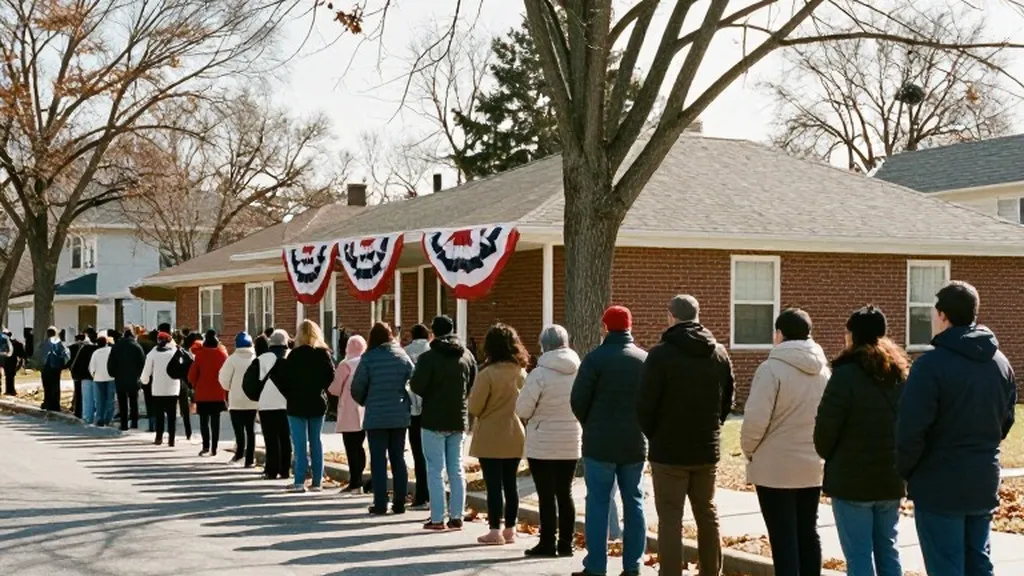
Voters across the nation are casting ballots on Tuesday, November 3, 2026, to decide the control of thirty-six governorships. According to Ballotpedia, Republicans currently hold eighteen of these offices and Democrats hold eighteen, creating a perfectly balanced landscape before polls open. This equilibrium means that a net gain of just two seats would allow Democrats to claim a nationwide majority of governorships, a position Republicans have held since 2010. The Associated Press notes that this election serves as a referendum on President Donald Trump's second term, with many voters citing high prices and an unpopular war with Iran as primary concerns.
The structure of this year's gubernatorial races is distinct from previous midterms due to a significant number of open seats. Ballotpedia reports that nineteen of the thirty-six races have no incumbent on the ballot. This large number of vacancies is driven by term limits for fifteen governors and the voluntary decisions of others not to seek reelection. Iowa Governor Kim Reynolds, Minnesota Governor Tim Walz, and Wisconsin Governor Tony Evers all chose not to run, while Rhode Island Governor Daniel McKee lost his primary. These changes create uncertainty and open the door for new leadership in states where party control is currently tight.
Nine states are identified as battlegrounds for governor, according to Ballotpedia. These include Alaska, Arizona, Georgia, Iowa, Kansas, Michigan, Nevada, Ohio, and Wisconsin. In these states, the margin of victory is expected to be narrow, making every vote count. The Associated Press highlights that Democrats are defending five governorships in states that Trump won in 2024, specifically Arizona, Kansas, Michigan, Pennsylvania, and Wisconsin. Conversely, Republicans are defending two governorships in states that Kamala Harris won, New Hampshire and Vermont.
In Georgia, the race to succeed Brian Kemp features Republican health care executive Rick Jackson against Democratic former Atlanta Mayor Keisha Lance Bottoms. This contest is closely watched as Georgia has become increasingly competitive in recent years. In Nevada, Republican Governor Joe Lombardo faces Democratic Attorney General Aaron Ford. The Associated Press notes that the AP calls Texas, Florida, and Iowa competitive governor races, indicating that control of these states remains in flux despite their historical leanings.
Ohio presents a notable matchup with Republican Vivek Ramaswamy challenging Democrat Amy Acton. Ramaswamy's campaign has faced some backlash over an advertisement featuring Acton's estranged mother, a detail that has drawn attention to the personal nature of the race. The Associated Press reports that such dynamics can influence voter perception in tight contests. In Michigan, the race is part of a broader struggle for state control, with the state being a key battleground for both federal and state offices.
Financial disparities continue to shape the campaign landscape. The Associated Press analysis of AdImpact data indicates that Republican committees have outraised and outspent Democratic committees, aided by Trump-affiliated groups and support from Elon Musk. However, at the candidate level, Democrats have outraised their opponents. This dynamic creates a complex funding environment where state-level races may see different spending patterns than national campaigns. Eighty-eight percent of Republican general election TV ad spending went to states and districts Trump won in 2024, suggesting a strategy focused on reinforcing support in Republican-leaning areas.
The mood among voters is characterized by economic anxiety. James Moore, a 57-year-old librarian in Raleigh, North Carolina, told the Associated Press that he is paying more taxes, more for healthcare, and more for everything. This sentiment is echoed in polling data from AP-NORC, where 35 percent of U.S. adults approve of Trump's job performance, and about seven in ten say the country is heading in the wrong direction. These feelings are likely to influence how voters approach the governor's ballot, particularly in states where cost of living is a dominant issue.
Election administration issues have also cast a shadow over the process. A federal judge temporarily barred the Trump administration from carrying out a plan to prevent noncitizen voting, a move critics said risked disenfranchising eligible voters. Another judge ordered the administration to stop demanding that California election officials segregate ballots cast by people on lists of suspected noncitizens. These legal developments add a layer of complexity to an already high-stakes election, with both parties monitoring the process closely.
The outcome of these governor races will have implications beyond state policy. Control of governorships affects redistricting maps, which in turn influence future congressional elections. Six states are using new congressional maps after mid-decade redistricting, including California, Florida, Missouri, North Carolina, Tennessee, and Texas. The Associated Press notes that while Republicans tried to beat the midterm pattern with redistricting, new districts in Florida and elsewhere may not vote as drawn. This uncertainty makes the governor races a critical component of the broader political strategy.
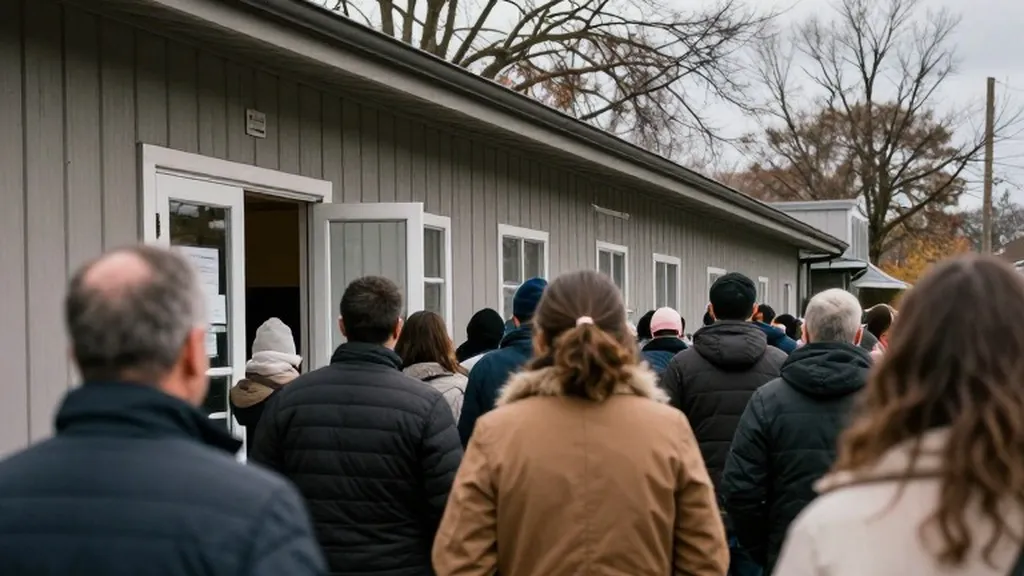
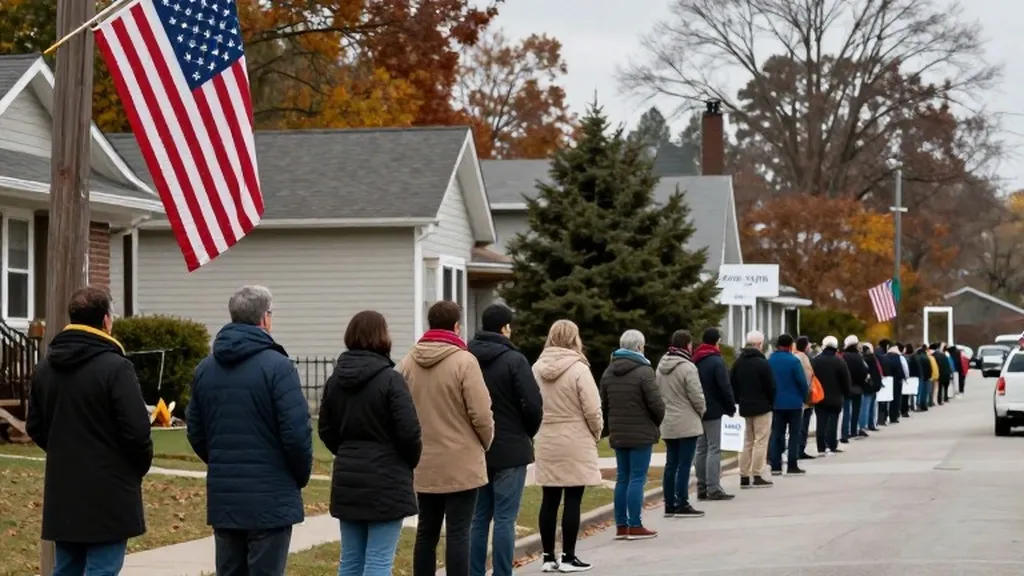
As polls open at various times across the country, with hours ranging from 7 a.m. to 8 p.m. depending on the state, voters are heading to the polls in large numbers. More than 57 million people had already voted as of Monday, surpassing the early vote of four years ago in many closely watched states. The United States Postal Service added hours and staff to ensure mail ballots are counted on time, reflecting the scale of the operation. The final tally will determine which party holds a majority of governorships and set the stage for the next two years of state-level governance.
The Associated Press describes the election as a moment where voters are struggling with high prices and angry over an unpopular war with Iran. This context frames the governor races as a direct response to national conditions. With the 18 to 18 split heading into the polls, the nine battlegrounds will likely decide the overall balance of power. The nineteen open seats add an element of unpredictability, as new faces compete for leadership in key states. The results will be known as polls close throughout the day, with final counts expected in the coming hours.