Turnout War: 57 Million Early Votes Set Stage for Midterm Showdown
Party leaders warn that ground game and final-day enthusiasm will decide the fate of Congress in a record-breaking early vote count.
By Fatima Davis ·
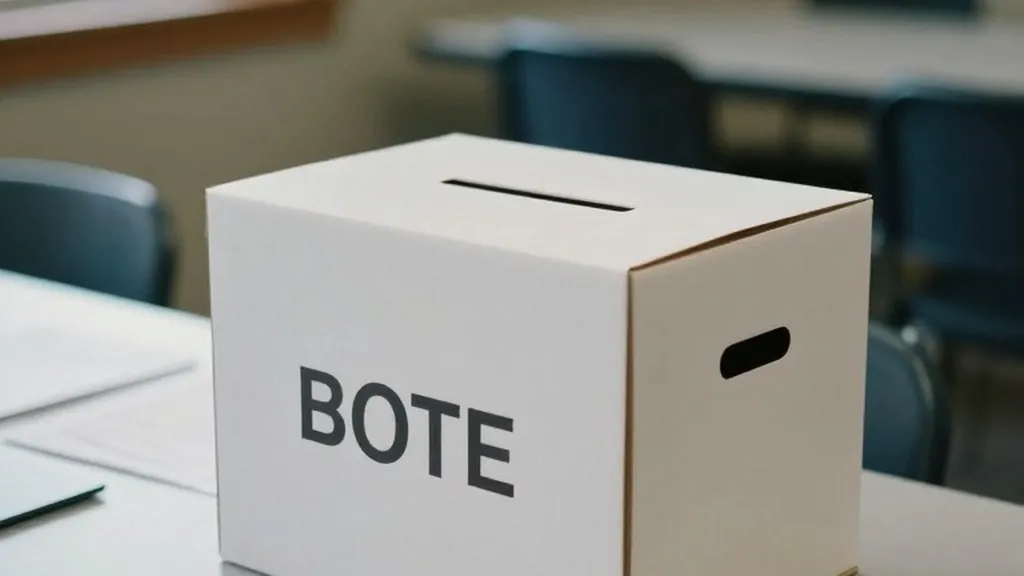
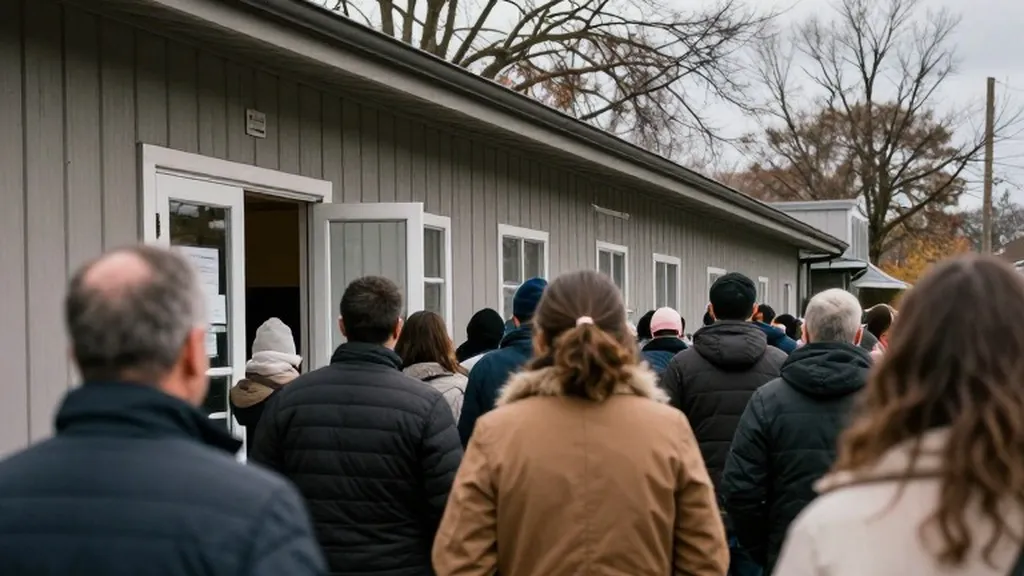
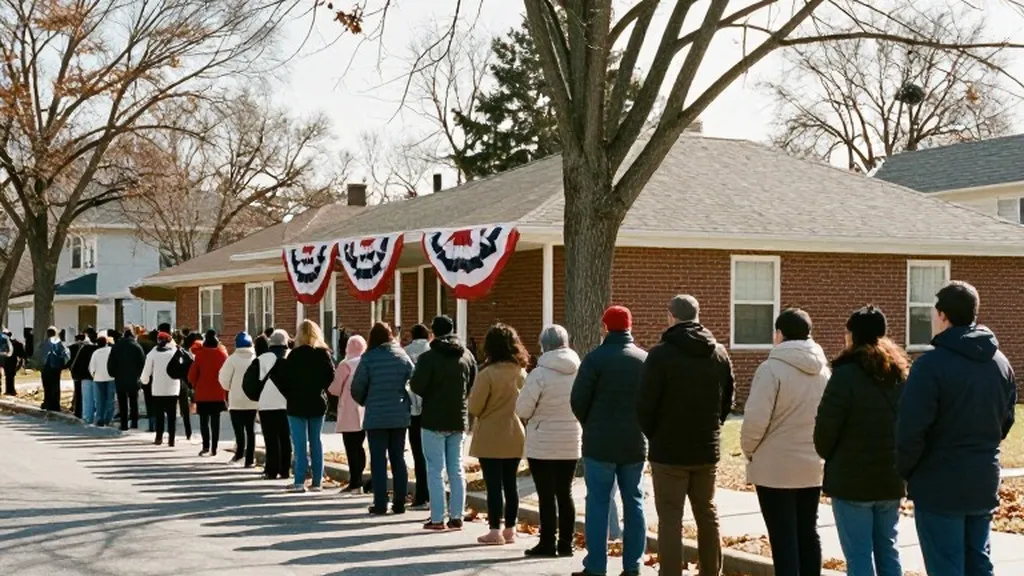
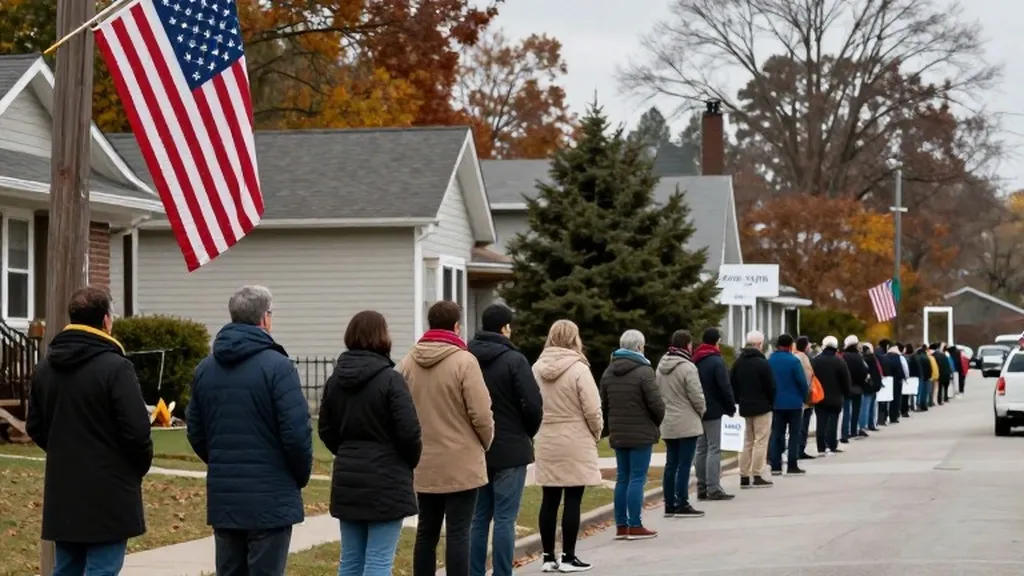
Voters across the nation are heading to the polls on Election Day with a record-breaking momentum that has reshaped the strategic calculations for both major parties. According to the Associated Press, more than 57 million people had already cast their ballots as of Monday, surpassing the early vote totals from four years ago in many closely watched states. This surge in early participation has created a high-stakes environment where the final hours of voting could determine which party controls Congress for the remainder of President Donald Trump's second term. The sheer volume of early ballots has forced both sides to adjust their ground game, focusing intensely on mobilizing their base in the final stretch.
The stakes are particularly high for Democrats, who need a net gain of three districts in the House to reclaim the majority. Ballotpedia notes that 46 districts are considered battlegrounds, with 25 currently held by Democrats and 21 by Republicans. The party is counting on the anger of voters regarding the cost of living and the administration's handling of the war with Iran to drive turnout in these competitive areas. Democratic figures have expressed cautious optimism, relying on the narrative that voters are frustrated with high prices and want a change in leadership. The party's strategy hinges on converting that frustration into votes on a day when polls are open and every margin counts.
Republican leadership is bracing for a potential loss in the House while fighting to hold the Senate. RNC Chairman Joe Gruters emphasized the critical nature of the final day, stating that everything depends on turnout. He noted that if the party turns out its voters, they will win, which is what they have been planning for. This sentiment reflects a broader Republican strategy that relies on the money edge and the structural advantages of redistricting in states like Florida and Texas. However, the AP reports that one or two seats could tip either chamber, meaning that the ground game in these specific districts will be the deciding factor.
The Democratic side is led by the message of accountability and oversight. DCCC Chair Rep. Suzan DelBene said that the American people are angry and want change. This sentiment resonates with voters like James Moore, a librarian in Raleigh, North Carolina, who stated that he is paying more taxes and more for healthcare. These personal stories are central to the Democratic narrative, which frames the election as a referendum on the administration's performance. The AP-NORC polling indicates that about seven in ten adults say the country is heading in the wrong direction, with most blaming President Trump for high prices. This data supports the Democratic push to make the election about the economy and daily life.
The ground game has been a central focus for both parties, with significant resources poured into canvassing and phone banking. In Kansas, a reliably Republican state that has become central to the fight for Senate control, the intensity of the effort is palpable. President Trump held a rally in Salina, urging voters to pretend he is on the ballot, a move that highlights the personal nature of the campaign. The AP notes that the state is now a toss-up or tilt Republican, making it a key battleground for the Senate. The presence of high-profile candidates and the attention from the national press have turned this midwestern state into a focal point for the election.
In other key states, the race is equally tight. In Georgia, Senator Jon Ossoff is facing a challenge from Republican Representative Mike Collins in a state that Trump won by just 2.2 points in 2024. The AP describes the race as likely Democratic, but the narrow margin underscores the importance of turnout. Similarly, in Michigan, the open seat is a toss-up to lean Democratic, with former Representative Mike Rogers facing Democrat Abdul El-Sayed. The endorsement of El-Sayed's former primary opponent, Haley Stevens, for Rogers on Sunday adds a layer of complexity to the race. These races illustrate how close the margins are and how crucial the final-day effort will be.
The financial aspect of the election has also played a role in shaping the outcome. The 2026 elections are likely to be the most expensive in history, with Republican committees outraising and outspending their Democratic counterparts. However, at the candidate level, Democrats have outraised their opponents. The AP analysis of AdImpact data shows that 88.1% of Republican general election TV ad spending went to states and districts Trump won in 2024. This spending pattern reflects a strategy to consolidate the base in strong Republican areas while still making inroads in competitive districts. The money edge has allowed Republicans to maintain a strong presence in the airwaves, but Democrats argue that their ground game is more effective in reaching voters directly.
The election is also being watched closely by Wall Street, with Reuters noting that results could add to investor concerns about AI spending and debt ceiling negotiations. The outcome of the midterms will have significant implications for the economy and the direction of the country. If Democrats win even one chamber, investigations and possible impeachment proceedings become likely. House Democratic Leader Hakeem Jeffries has outlined a 100-day agenda on the cost of living and oversight, signaling a clear plan for what a Democratic victory would mean. This agenda is designed to address the concerns of voters who feel that the administration is out of touch with their daily lives.