Voters Cite Prices and Tariffs as Top Election Day Concerns
New polling data and voter interviews highlight economic anxiety as the defining factor in this year's midterm contests.
By Harper Hassan ·
On this Election Day, Tuesday, November 3, 2026, the American electorate is grappling with a singular focus that has overtaken other political issues: the cost of living. According to the Associated Press, voters are struggling with high prices and expressing anger over an unpopular war with Iran, creating a backdrop of economic tension for the midterm elections. These contests will determine which party controls Congress for the final two years of President Donald Trump's second term, with all 435 House seats and 35 Senate seats up for grabs.
The economic mood is quantified by recent AP-NORC polling, which indicates that only 35% of U.S. adults approve of Trump's job performance. Approval of his handling of the economy stands at just 25%, while approximately seven in ten Americans say the country is heading in the wrong direction. The majority of those polled blame the president for high prices, suggesting that monetary concerns are driving voter sentiment more than partisan loyalty or foreign policy disputes.
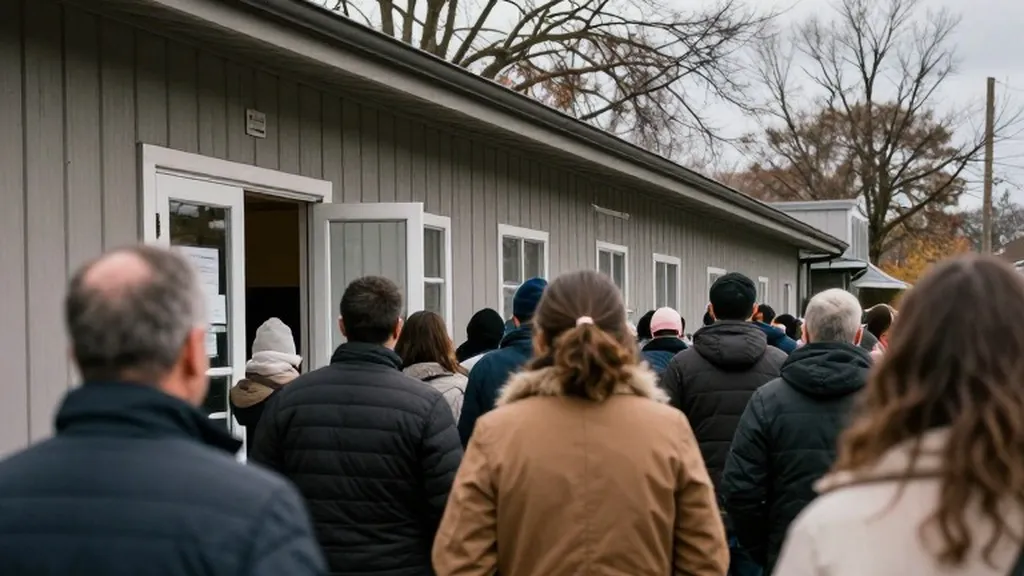
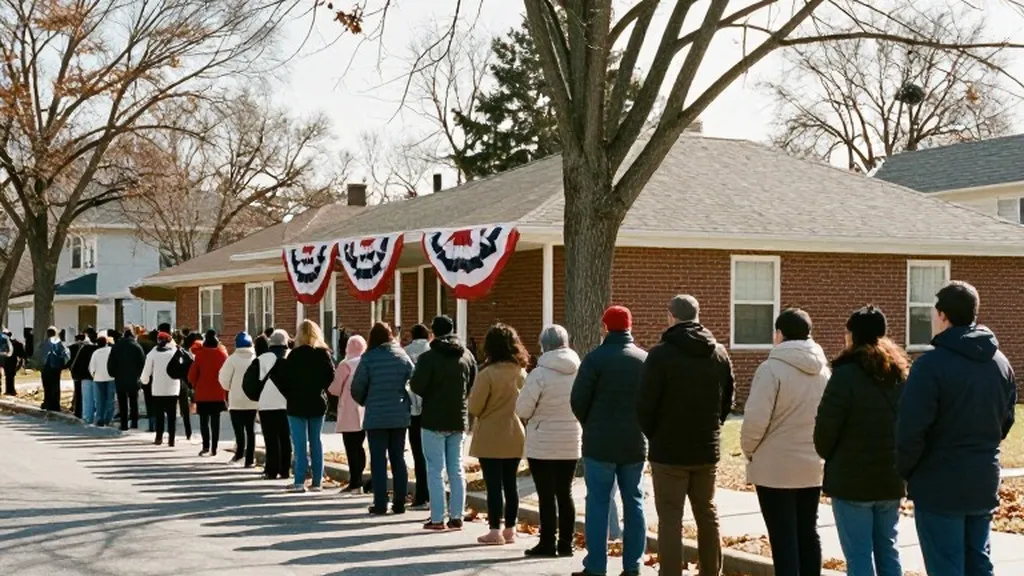
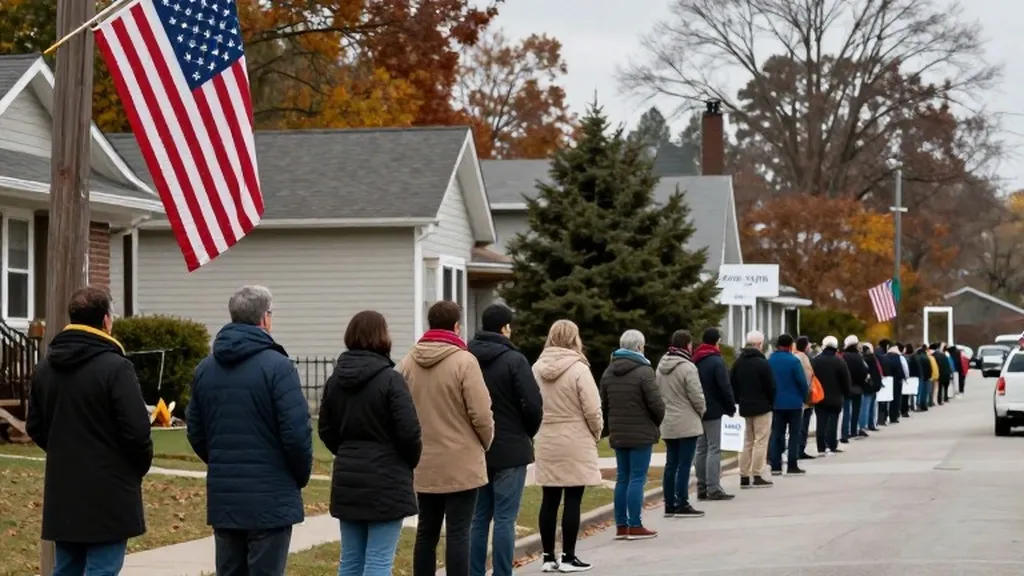
This sentiment is palpable at polling places across the nation. In Raleigh, North Carolina, James Moore, a 57-year-old librarian, articulated the frustration shared by many Democrats and independents. Moore stated that he is paying more taxes and more for healthcare and everything else. His comments reflect a broader trend where the tangible impact of inflation and rising costs is shaping the ballot box, particularly in swing states where the margin for victory is often razor-thin.
Tariffs have emerged as a specific point of contention in several key races. The Associated Press notes that economic strain and tariffs have made the Senate race in Maine competitive. In that state, Republican Senator Susan Collins faces Democratic former state Senate President Troy Jackson. The AP reports that the financial pressure on consumers is making the state a true toss-up, as voters weigh the impact of trade policies on their daily expenses.
Contrasting this anxiety is the optimism of some Republican-leaning voters. Mark Barker of Palm Beach Gardens, Florida, told the AP that he has been following Trump the whole time and believes he is doing an awesome job. Barker’s perspective highlights the divide in the electorate, where some voters remain confident in the administration's direction despite the polling numbers showing a majority of Americans feeling the country is off course.
Democrats are leveraging this economic dissatisfaction to frame the election as a referendum on the administration's performance. House Democratic Leader Hakeem Jeffries has outlined a 100-day agenda focused on the cost of living and oversight if his party gains control of the House. This strategy aims to address the specific grievances of voters like James Moore, who feel that their financial burdens are increasing while the administration focuses on other priorities.
However, Republicans have significant structural advantages that they are using to counter the economic narrative. Republican committees have outraised and outspent their Democratic counterparts, aided by Trump-affiliated groups and Elon Musk. According to an AP analysis of AdImpact data, 88.1% of Republican general election TV ad spending went to states and districts that Trump won in 2024. This financial edge allows Republicans to maintain a strong presence in media markets, even as they brace for potential losses in the House.
The role of redistricting also plays a part in the economic voting dynamic. Six states, including Florida and North Carolina, are using new congressional maps after mid-decade redistricting. While Republicans hoped these new districts would help them beat the typical midterm pattern of losing seats, the AP notes that some of these newly drawn districts may not vote as originally intended. This uncertainty adds another layer of complexity to an election already defined by economic volatility.
More than 57 million people had already voted as of Monday, surpassing the early vote totals of four years ago in many closely watched states. This high level of participation suggests that the economic issues at stake are compelling voters to engage early and often. The Associated Press describes the election as a critical test of the administration's ability to manage the economy, with the results potentially leading to investigations and oversight proceedings if Democrats win either chamber of Congress.
As polls close in states like North Carolina, where the vote runs from 6:30 a.m. to 7:30 p.m., the focus remains on the financial realities facing American households. The AP-NORC data confirms that the economy is the top issue, with most voters blaming the president for high prices. This consistent narrative from Raleigh to Palm Beach indicates that the 2026 midterms are being decided by the wallet, not just by ideology or party affiliation.
The final outcome will depend on whether the economic anxiety reflected in the polling translates into a decisive shift in voting behavior. With Republicans holding 53 Senate seats and Democrats needing a net gain of four for a majority, the stakes are high. The AP reports that one or two seats could tip the balance in either chamber, making the economic arguments of both parties crucial in these tight races. The voters' top issue is clear, and the results will reflect their judgment on the state of the nation's finances.