Tesla’s FSD Count: A Subscription Mystery
Tesla claims 1.74 million active FSD users, but the metric includes one-time buyers to align with a specific executive compensation trigger.
By Harper Hassan ·
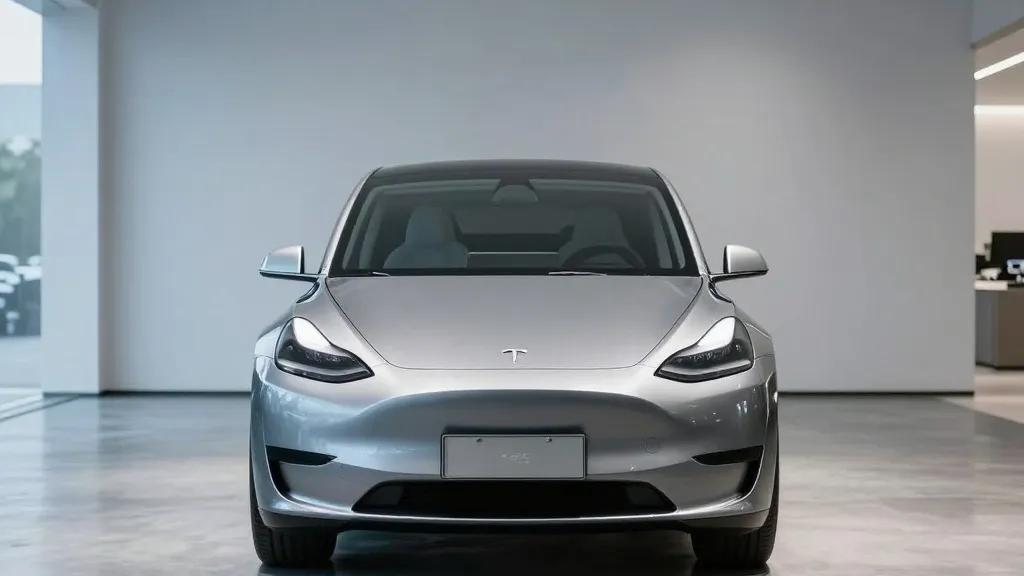
Tesla has officially reached 1.74 million active Full Self-Driving subscriptions, a figure that represents a 67% increase over the same period last year. This milestone is significant because it is a specific threshold tied to the 2025 CEO Performance Award. The company’s Q3 2026 shareholder letter reveals that this count follows the exact definition used in that compensation package, meaning it includes both upfront payments and monthly recurring fees.
The core of the metric relies on a specific accounting method. Owners who purchased the software outright, some years ago, are still classified as active subscribers as long as their vehicles remain on the road. This approach allows Tesla to claim a massive user base while only a portion of those drivers actually pay a monthly fee. The company stopped selling FSD as a one-time purchase in February 2026, with new customers now required to pay $99 per month in the United States. However, the hundreds of thousands of previous buyers who paid up to $15,000 for the software remain in the active count.
This counting strategy creates a distinct ambiguity for investors. Tesla does not disclose how many of the 1.74 million users are currently paying the monthly fee versus those who bought the software upfront. In April, the company reported 1.28 million active subscriptions using the same method. Six months later, the total has grown by roughly 460,000, yet the breakdown between recurring revenue and legacy buyers remains hidden. The only exclusion from the metric is free trials, which suggests that the company is capturing a broad definition of software usage rather than pure recurring revenue.
The same logic appears in Tesla’s cumulative delivery figures. The company now reports 10.2 million cumulative deliveries, a number that includes unsupervised robotaxis placed into commercial operation. This adjustment aligns with the pay package, which requires a milestone of 20 million vehicles delivered. By expanding the definition of a delivery to include robotaxis, Tesla brings itself closer to that specific operational target. This consistency across metrics suggests a deliberate effort to align reported numbers with the conditions required for executive compensation.
A secondary claim in the letter draws attention to the attach rate for new vehicles. Tesla states that more than 75% of new deliveries in North America included FSD subscriptions in the third quarter. The company describes this as a nearly twenty percentage point sequential increase and believes the software is driving demand in markets where it is available. This is a substantial figure for a $99 monthly product, but the letter does not define the metric with the same precision as the active subscription count. It is unclear if this figure includes introductory offers or if it tracks retention over time.
The path to the 10 million subscription milestone required for the CEO award remains lengthy. The award consists of twelve tranches, each requiring a market cap milestone and an operational milestone. The operational goals include 20 million vehicles delivered, 10 million active FSD subscriptions, 1 million Optimus robots, and 1 million robotaxis in commercial operation. As of June 30, Tesla considered only the 20 million delivery milestone to be probable. The company added 260,000 net FSD subscriptions in Q3, its best quarter yet, but at that pace, it would take approximately eight years to reach the 10 million target.
If the growth rate slows to the average of the last twelve months, which was around 700,000 new subscriptions per year, the timeline extends to about twelve years. The compensation award runs until 2035, providing a long window for these goals to be met. The primary question for stakeholders is whether the current growth trajectory will accelerate or if the market will plateau. The company has not provided a projection, leaving the timeline for the 10 million milestone largely dependent on future sales and retention data.
The definition of these metrics was written by the board to satisfy specific compensation requirements. While counting upfront buyers as subscribers is not inherently incorrect, it presents a total that may not reflect the current monthly revenue stream. Tesla knows the exact number of drivers paying $99 a month, but it has not shared that figure. For investors and analysts, this lack of transparency makes it difficult to assess the true strength of the subscription business versus the legacy install base. The 75% attach rate is the more promising indicator, but without retention data, its long-term value remains uncertain.
The situation highlights a broader tension in how tech companies report software metrics. Tesla is using a definition that favors a larger user count, which is beneficial for hitting compensation targets. The company is not hiding the definition, as it is explicitly stated in the shareholder letter, but the choice of metric can shape how the market perceives the business. As the company moves toward its 2035 goals, the clarity of these numbers will be critical. For now, the 1.74 million figure stands as the headline, but the composition of that number remains a key point of discussion.
Source: Electrek · original report published
More Business · Buyer Beware · Report a business · Got a Story?