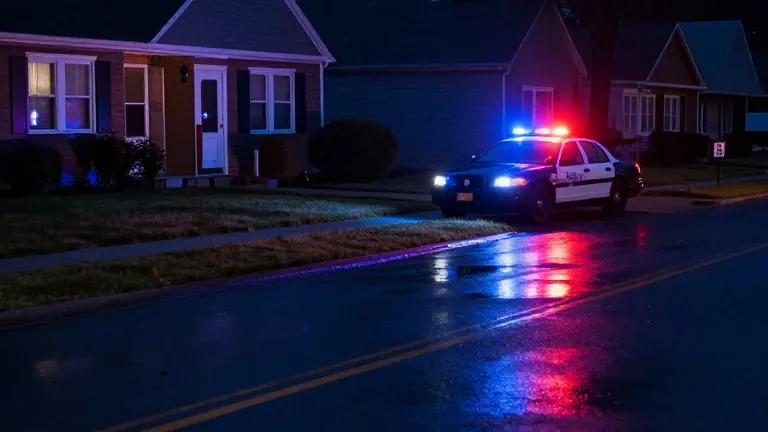
236 days: The average wait for a New York shelter family to secure housing
New York City officials report reduced approval times, but advocates say minor inspection errors and paperwork loops still keep thousands of households in shelters.
By Harper Hassan ·
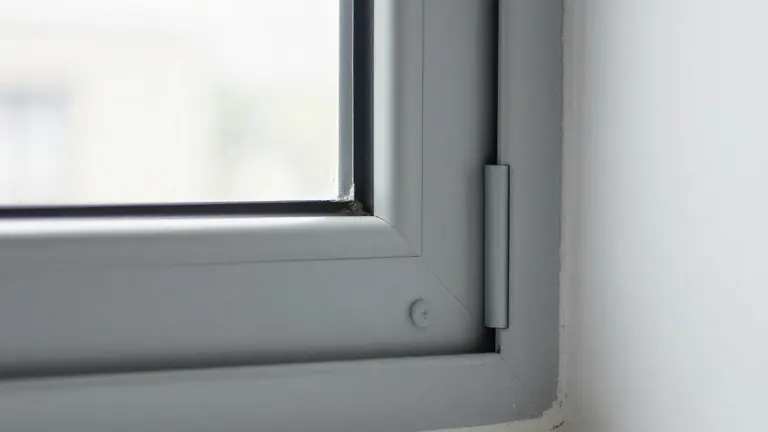
Roxy Shweky, a housing liaison for the nonprofit Anthos Home, inspected a Brooklyn apartment that had already failed twice. The unit required a smoke detector closer to a bedroom and a grounded electrical outlet. During the final check, an inspector noticed a metal bracket on a kitchen window frame held by one screw instead of two. The apartment failed again. Shweky must now wait for the landlord to fix the bracket before a family can move in.
The CityFHEPS voucher program serves more than 74,000 households. Recipients pay no more than 30% of their income toward rent, with the city covering the balance. Despite this support, the path from shelter to apartment remains lengthy. According to the Department of Social Services, it takes an average of 236 days for a family to move into a unit after being found eligible. About 14,200 people are currently in shelter and authorized to search for apartments.
Chris Mann, vice president of public policy and strategy for WIN, the city’s largest provider of family homeless shelters, said the system’s complexity delays families unnecessarily. "We all care deeply about households moving into quality, safe, dignified housing," Mann said. "But the complexity doesn't need to be this way." He noted that even a typo on a form can delay a move by weeks. The application package can reach 100 pages, including income records and lease agreements. If an applicant’s income changes by more than $125 a month, they must resubmit pay stubs for a recalculation.
The Mamdani administration has announced changes to speed up the process. Nicholas Jacobelli, a spokesperson for the Department of Social Services, stated that the agency reduced the rate of returned applications from 94% to 58%. The number of returns before approval also dropped by more than half. City officials launched a pilot program to coordinate directly with landlords to expedite move-ins. The average time to approve or deny an application fell to 24 days, down from 28 days previously.
Inspections remain a major bottleneck. The Department of Social Services fails 44% of the inspections it conducts. Top causes include water temperature outside the 120F to 128F range, electrical deficiencies, missing apartment numbers, and window guard violations. Roxy Shweky described the strict requirements, noting that water temperature must fall within that narrow band or the unit fails. Laura Lazarus, cofounder and CEO of Anthos Home, compared the process to a board game where players must return to the beginning over minor errors.
Efforts to save money have sometimes created new delays. In April, officials began checking rents to prevent overpayment. This review process extended timelines from two days to an average of 53 days, according to Jade Vasquez, director of policy and research at WIN. In September, the city moved this review to after move-in for rent-stabilized units, but market-rate units still face delays. Vasquez described the change as a partial solution.
Kevin Wallace, 65, spent 11 months in a shelter while navigating the voucher process. He worked with three different case managers and submitted his application multiple times. "You have to reset each and every time," he said. His case was eventually referred to Anthos Home, which helped him secure an apartment in four months. "I feel comfortable that I'm here," Wallace said. "I'm on solid ground."
City Council members have introduced bills to streamline the system, including a proposal to require officials to approve or deny applications within 15 days. Erin Dalton, the social services commissioner, said the agency must balance speed with safety standards for taxpayer-subsidized housing. The low rate of available apartments, currently at 1.4%, also contributes to the long wait times for eligible families.
Source: Gothamist