Halloween heat rises in US
Climate Central data shows average fall temperatures have climbed nearly three degrees Fahrenheit since the 1970s, disrupting traditional October weather patterns.
By Harper Hassan ·
Autumn across the United States is losing its cool, and the data confirms the shift is measurable. Researchers from the nonprofit Climate Central analyzed fall temperature records and found that average autumn temperatures have increased by nearly three degrees Fahrenheit since the 1970s. This warming trend is pushing summer-like conditions into months that were historically defined by crisp air and layered clothing.
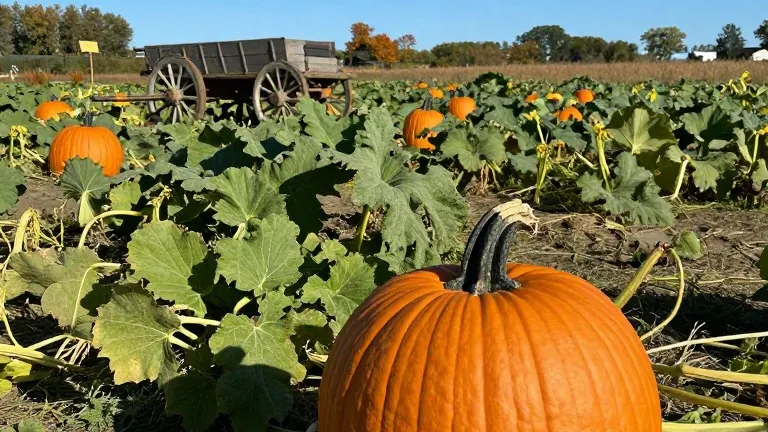
The shift is visible in how families prepare for the holiday. In Houston, Eduardo and Mary Reyes took their children, 7-year-old Leonardo and 3-year-old Lorelei, to a pumpkin patch on a warm Friday in early October. The temperature approached 90 degrees. While other children wore shorts and T-shirts, Lorelei dressed as Elsa from "Frozen" and Leonardo wore a velociraptor costume. Mary Reyes, who grew up in Houston, noted that she rarely needed a jacket for Halloween in her childhood. Today, the family avoids long-sleeved costumes to prevent overheating. They hope the weather will cool by Halloween Day, but they are not counting on it.
Meteorologist Shel Winkley of Climate Central explains that the persistence of summer heat varies by region. In the northern United States, summer temperatures are extending through September. In the South, warmer weather often lasts into October. To track this, Climate Central researchers monitor the final day of warm temperatures in specific cities. In Atlanta, they look for the last day above 85 degrees Fahrenheit. In Anchorage, Alaska, the benchmark is the final day above 60 degrees. These metrics show a clear delay in the seasonal shift.
Winkley lives in Texas and experienced the impact of the heat firsthand last year. He carved pumpkins with his children the weekend before Halloween. The heat caused the pumpkins to rot and shrivel before the holiday arrived. The premature decay of the gourds highlighted how abnormal weather patterns are altering traditional autumn activities. The financial cost of spoiled produce and the physical discomfort of warm weather are becoming more common in the late fall season.
Bernadette Woods Placky, executive director of the Talking Climate Collaborative, identifies human-caused climate change as the primary driver of these rising fall temperatures. She notes that the current year presents an additional factor: El Nino. This naturally occurring climate pattern occurs every two to seven years and raises global temperatures. Placky describes the current El Nino event as strong and record-breaking. She states that this event is adding spikes to the overall warming trend, creating an extra push in atmospheric temperatures. The combination of long-term warming and short-term variability is making recent autumns hotter than historical norms.
The Reyes family remains optimistic about enjoying their holiday traditions despite the heat. Mary Reyes said the family is excited for Halloween and looks forward to the return of cooler fall weather. She acknowledged that October weather in Houston is not always cool. The family continues to hope for the traditional drop in temperature. For now, they are focusing on their costumes and the fun of the season rather than the thermometer.
The data from Climate Central indicates that the warming trend is not a one-year anomaly. It reflects a multi-decade shift in temperature baselines. As summer-like weather persists longer, the definition of a typical fall day is changing. The cost of this shift is felt in daily life, from the types of clothing people wear to the condition of seasonal crops. The numbers show that the average American can expect a warmer Halloween than the one their parents experienced.
Source: WYPR
More Business · Buyer Beware · Report a business · Got a Story?