Spanish Opposition Deploys Deepfake Attack on Prime Minister's Wife
A conservative party in Spain released an AI-generated video mocking the leader's spouse, triggering a legal fight and a national debate on digital authenticity just weeks before the general vote.
By Harper Hassan ·
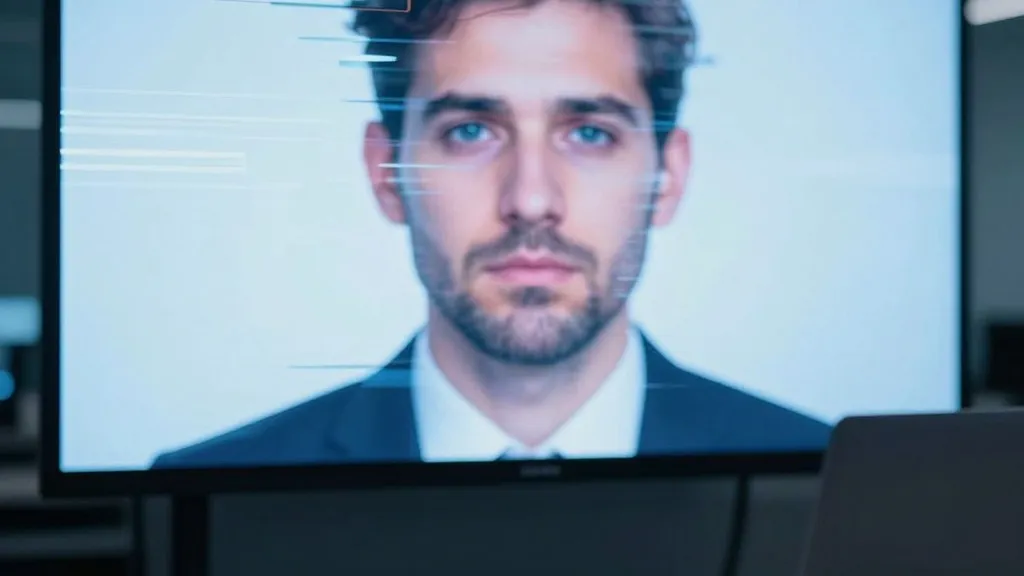
With national elections scheduled for next month, Spain’s political landscape is already tense. This week, the controversy intensified when the ruling Socialist party’s main rival, the conservative People’s Party, unleashed a viral campaign that leverages artificial intelligence to mimic the voices and faces of high-profile figures.
The clip, distributed across the opposition’s social media platforms this week, uses generative AI to create convincing likenesses of individuals tied to the government. The footage appears to show these figures admitting to various improprieties, including soliciting sex work and accepting bribes. In a particularly pointed segment, an AI-generated version of Begoña Gómez, the wife of Prime Minister Pedro Sánchez, discusses securing a university position due to her husband’s political status. The video also features a digital recreation of former prime minister José Luis Rodríguez Zapatero claiming he hid jewelry in a safe. Both individuals have denied any wrongdoing, though legal investigations into their respective matters are currently ongoing.
The advertisement gained rapid traction, accumulating nearly two million views by Friday. In response, the Socialist party moved swiftly to criticize the tactic. Óscar López, the minister for digital transformation, appeared on state television TVE to describe the move as a massive deception. He argued that for an official party account to publish such content was unacceptable. López highlighted that the video included a small, nearly invisible label at the bottom indicating the use of AI, warning that viewers unfamiliar with these tools might easily believe the scenes were real footage.
Leire Díez, a former member of the Socialist party whose image was included in the video, took legal action on the same day. She filed a complaint against the People’s Party, demanding the immediate removal of the ad. Díez accused the opposition of defamation and stealing her digital identity, noting that the video used her likeness to hint at allegations that she worked to weaken the judiciary and law enforcement agencies in favor of her former colleagues.
Despite the public outcry, legal analysts largely side with the advertising party. Most of the nine experts consulted by the newspaper El País concluded that the video was legal because it carried an AI label and maintained a satirical tone. Íñigo Navarro, a former dean at the Comillas Pontifical University in Madrid, noted that the context makes it clear the figures did not actually speak those words. Juan Antonio Lascuraín, a criminal law professor at the Autonomous University of Madrid, added that the legal status is distinct from the question of whether the video was ethically or politically appropriate.
Academic observers, however, view the incident as a significant cultural shift. José Javier Olivas, an associate professor at the National University for Distance Education who specializes in populism and AI biases, described the move as regrettable for a party that claims to want to renew democracy. He stated that while both major parties have attacked each other’s morality, this specific use of deepfakes crossed a critical boundary. Olivas characterized the act of placing specific words in other people’s mouths as a form of disinformation.
This Spanish dispute mirrors a growing trend in the United States, where more than 200 ads using AI have been identified ahead of the upcoming midterms. Erika Franklin Fowler, co-director of the Wesleyan Media Project, noted that spending on such ads was under $50,000 in the 2024 cycle, but current usage often lacks clear disclaimers. In Spain, the People’s Party has brushed off the criticism. Borja Sémper, a party figure, argued that the video was only problematic if it intended to trick viewers into believing the characters were real. He maintained that the digital tools were used to expose Socialist hypocrisy. Most polls indicate the People’s Party will win the November 29 election, though they will likely require the support of the far-right Vox party to form a governing coalition.
Source: The Guardian