1000 Songs in 25 Years: The Legacy of the Original iPod
A look back at the 2001 device that promised to carry an entire music collection in a pocket-sized form factor.
By Fatima Davis ·
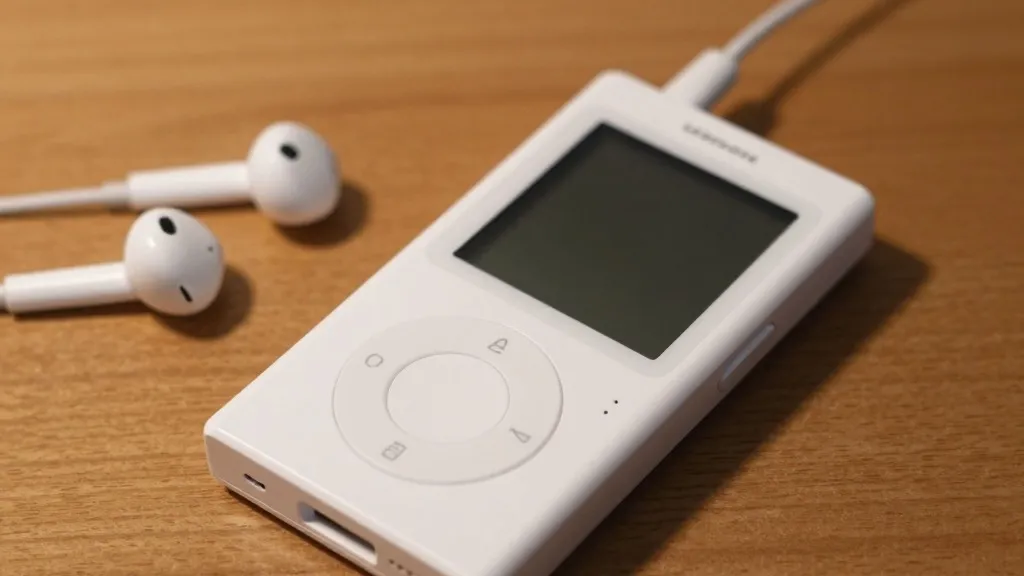
On this day in 2001, a new pocket-sized gadget was unveiled that promised to carry thousands of songs.
Twenty-five years ago, Apple CEO Steve Jobs took the stage to introduce a product he framed as a breakthrough device unrelated to the Mac computer line. He was presenting the original iPod, a portable music player designed to store an entire music library for a price of $399. At the time, Apple was moving past beige hardware into the Mac OS X era with iMacs and iBooks already popular among consumers. Jobs was attempting to position the Mac as the central hub for a digital lifestyle, connecting to cameras and DVD players, but he noted that while companies like Sony, Creative, and Sonic Blue offered portable players, none had truly solved the challenge of digital music.
The specific device revealed was a hard disk-based player with 5GB of storage capacity. This amount of space was calculated to hold approximately 1000 songs, specifically standard length MP3 files at 160Kbps. Jobs emphasized that for most users, this capacity meant they could carry their entire music library with them. The device was designed to play popular audio formats including MP3, WAV, and AIFF with CD-quality sound.
Jobs outlined three main reasons he believed this product would succeed, beginning with its physical design. The iPod was built using a Toshiba 1.8-inch hard drive that was 0.2 inches thick, allowing the entire unit to remain roughly the size of a deck of cards. Measuring 2.4 by 4 by 0.78 inches and weighing 6.5 ounces, the device was described as being lighter than most cell phones of that era.
Beyond its size, the original iPod featured technology intended to speed up the process of moving music from a computer. It utilized a FireWire 400 connection rather than the slower USB connections common at the time. Apple claimed this connection could transfer a full CD to the device in 5 to 10 seconds, whereas a USB connection would take five minutes for the same task. To fill the device with 1000 songs, the transfer time was estimated at 10 minutes, compared to five hours on a USB player.
The device also included a rechargeable lithium-polymer battery capable of 10 hours of continuous playback. Apple stated the battery could reach an 80% charge in one hour. The interface was designed for one-handed use, featuring a scroll wheel with tactile feedback to quickly locate music by playlist, artist, or song. The first song demonstrated on stage was 'Building a Mystery' by Sarah McLachlan.
The third key feature was Auto-Sync with iTunes, which launched alongside the player as version 2. This system ensured that any music libraries created and curated on a Mac would automatically transfer to the iPod when connected for charging or data transfer. The device could also function as an external hard drive.
The iPod remained a popular product for many years, sitting alongside the iPhone in Apple's lineup for over a decade after the first iPhone launched in early 2007. However, the iPod's prominence eventually declined as smartphones took over its function. The final model, the 7th-generation iPod Touch, was released in May 2019, though the product line was not officially discontinued until May 2022.
Source: Tom's Hardware · original report published