Florida HVAC Rule: Age and Repair Cost Dictate Replacement
Technicians recommend swapping out ten-year-old air conditioners when the repair bill hits $5,000 or exceeds half the price of a new system.
By Harper Hassan ·
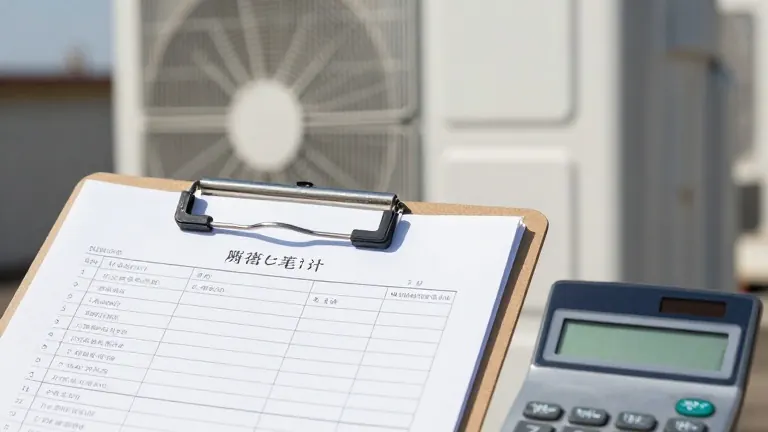
Florida homeowners face a specific financial trigger for replacing aging air conditioning units. Technicians advise replacing a system when the cost of a single repair reaches 50% of the price of a new installation. A second common guideline multiplies the unit's age by the repair quote. If that total exceeds $5,000, professionals typically recommend a full replacement rather than further maintenance.
The timeline for these decisions varies by location. While standard systems last 15 years, units near the coast often fail after eight years due to salt air corrosion on outdoor coils. Manufacturer warranties frequently expire around the ten-year mark, leaving owners to cover major component failures out of pocket. This creates a high-stakes moment for households trying to balance immediate cash flow against long-term equipment value.
Not every malfunction requires a new system. Minor issues like a failed capacitor, worn contactor, or clogged drain switch justify repair because the parts are inexpensive and the rest of the machine remains functional. Technicians determine the health of a unit by measuring refrigerant pressures, compressor amp draw, temperature drop across the coil, and static pressure. These specific readings help distinguish a temporary part failure from systemic wear.
Compressor failure marks the end of the line for many ten-year-old units. The part alone costs between $800 and $2,000. Labor costs on an out-of-warranty system can double that figure. Leaking evaporator coils and recurring refrigerant leaks also signal that a system is nearing the end of its useful life. A recent regulatory shift adds another layer of complexity to these repairs.
Since January 2025, new residential equipment must use R-454B or R-32 refrigerants. Most ten-year-old systems still run on R-410A. While R-410A remains legal and available for service, manufacturers are reducing production annually. This supply contraction is expected to increase repair costs over time. Homeowners should not panic, but the economic pressure on older systems is growing.
Newer equipment offers better humidity control, a critical factor in Florida. Two-stage or variable-speed units run longer at lower output, removing more moisture from the air. This operation reduces the start-stop cycles that wear out compressors. Proper sizing via a Manual J load calculation is also essential. Copying the tonnage of an old unit can repeat past installation errors and lead to inefficiency.
Plumbing components age alongside the compressor. Condensate pans rust, and drain lines accumulate algae. Some older installations may lack a float switch or have it bypassed. A replacement project should include new pans, clean lines, proper slope, and a working safety switch. Homeowners should request drain work as a separate line item on quotes to avoid hidden costs from ceiling overflows.
Source: Yonkers Times
More Business · Buyer Beware · Report a business · Got a Story?