Gundlach Sees 4.7% Yield Gap as Case for December Hike
DoubleLine founder argues the 2-year Treasury rate suggests the Federal Reserve is lagging the market, citing oil prices above $100 and rising commodity costs.
By Olga Kaur ·
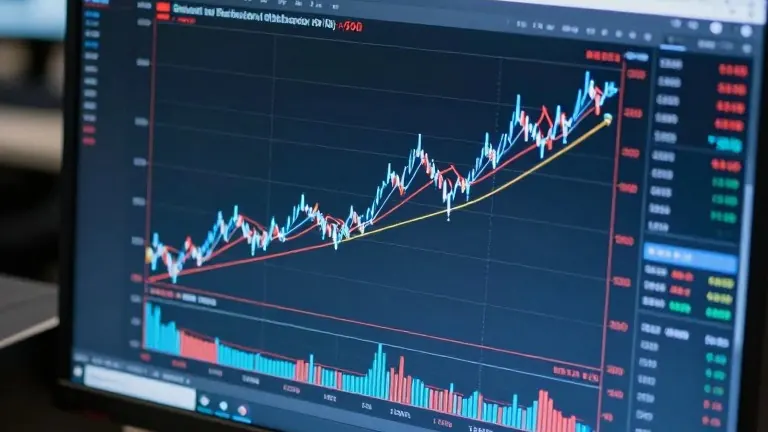
Jeff Gundlach, founder of DoubleLine, stated on CNBC's Closing Bell that the Federal Reserve needs to raise interest rates again in December. He pointed to the spread between the current federal funds rate and long-term yields as evidence that the central bank is behind the curve.
The 2-year Treasury note currently trades at approximately 4.7%. In contrast, the Fed’s overnight rate remains at 3.75% to 4.00%. Gundlach believes this 75 basis point gap indicates that market participants expect tighter monetary policy than the Fed is currently implementing. He noted that the Federal Reserve held rates steady during its October meeting, following a 25 basis point increase in September.
Inflation data supports Gundlach's concern about the Fed's reluctance to act. He projected that headline Consumer Price Index inflation is heading toward 4%. He also observed that the commodity index is rising within a bull market. U.S. oil prices remained above $100 per barrel on Wednesday, a factor Gundlach identified as a primary driver for future rate hikes.
Market data reflects this expectation of tighter policy. The CME FedWatch tool shows an 85% probability that the Fed will increase rates by 25 basis points at its December meeting. Fed Chairman Kevin Warsh said at the October press conference that future decisions depend on incoming data. He described the macroeconomic environment as strong but said it was too early to determine the next policy move.
Gundlach also commented on a change to the Fed's meeting schedule. Warsh announced that one of the eight scheduled meetings in 2027 and two in 2028 will focus on policy strategy without a vote on the fed funds rate. Gundlach said he would prefer a schedule of only six rate-setting meetings immediately. He argued that fewer meetings allow more time for economic data to influence decisions.
Despite his views on policy, Gundlach maintained his investment allocation. His portfolio holds 30% in equities, with a preference for the equal-weight S&P 500 to mitigate risks related to artificial intelligence. The remaining assets are split among 30% in bonds, 20% in commodities, and 20% in cash reserves.
Source: CNBC
More Business · National news · Buyer Beware · Report a business · Got a Story?