Oil Near $115 as Iran Defies Threats of Renewed U.S. Strikes
Tehran maintains its diplomatic stance while regional mediators convene and tankers face attacks in the Strait of Hormuz.
By Olga Kaur ·
Global oil markets remain tense with Brent crude hovering near $115 a barrel as Iran asserts its policy will not change even if President Trump resumes military strikes. The President framed his options on Fox News' Sunday Morning Futures, stating he must decide between finishing the campaign or making a deal. He referenced the joint U.S.-Israeli campaign, dubbed Epic Fury, which began on Feb. 28, and suggested the U.S. may launch another operation. Trump also claimed American control over the Strait of Hormuz while criticizing the 2015 nuclear deal from which he previously withdrew.
Iranian Foreign Minister Abbas Araghchi addressed the conflict during a televised event in Tehran, stating that talk of a new war has not altered his government's thinking. He declared that Washington and Israel have already tried twice and will achieve no different outcome. His spokesperson, Esmaeil Baqaei, confirmed that the window for diplomacy remains open, with messages being relayed to the U.S. through intermediaries despite direct talks appearing stalled for weeks. Speculation continues that new strikes could follow the midterm elections scheduled for next Tuesday, as a third aircraft carrier group has been deployed to the region.
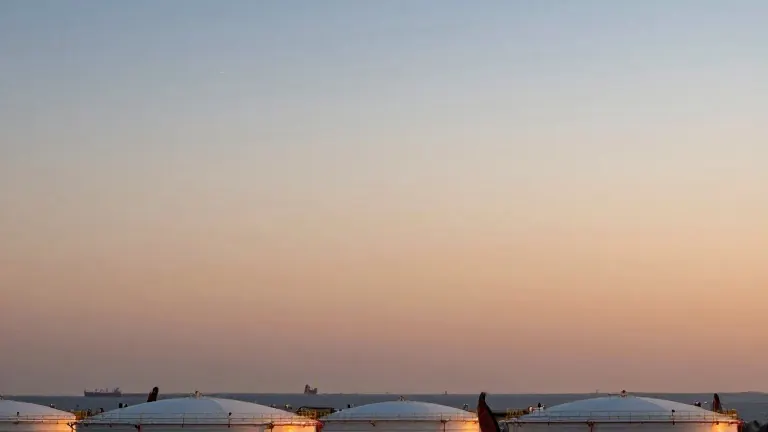
Energy supply concerns have intensified due to the approaching winter in the Northern Hemisphere and ongoing wars in the Middle East and Ukraine. The U.K. navy's Maritime Trade Operations center reported that a tanker exiting the Strait of Hormuz was disabled on Friday by an unknown projectile, though the crew remained safe. Iran claimed to have struck at least four tankers near the strait on Thursday, a figure Trump accused Tehran of inventing to inflate prices before the midterms. These incidents follow a period of heightened volatility in global energy trade routes.
Regional leaders are attempting to de-escalate tensions through direct engagement. Saudi Defense Minister Khalid bin Salman, Pakistani army chief General Asim Munir, and Turkish intelligence chief Ibrahim Kalin were due in Tehran on Monday for security talks with Iranian officials, including security chief Mohsen Rezaei. Saudi Deputy Minister for Public Diplomacy Rayed Krimly described the visit as support for mediation by Qatar and Pakistan. These diplomatic efforts come after eight months of regional conflict have strained relations and disrupted economic activity across the area.
Violence persisted in Yemen, where the Saudi-led coalition intercepted a ballistic missile fired by the Houthis toward Riyadh. The coalition also destroyed two missile launchers in Sanaa. The Iran-backed Houthi group claimed it hit Riyadh's international airport with a missile hours after flights resumed, and struck oil pumping stations with drones. Earlier attacks this month had closed the airport for more than two weeks and forced Saudi Arabia to postpone its flagship investment conference until 2027.
In Israel, Prime Minister Benjamin Netanyahu warned that Iran and its proxies might attack to disrupt Tuesday's elections, urging them not to test the country. Defense Minister Israel Katz rejected a report of a clash between Netanyahu and army chief Eyal Zamir over a new directive, calling the account entirely baseless. Netanyahu had previously labeled the report rubbish. Iran's foreign ministry stated that the election result makes no difference to Tehran's strategic calculations.
The next major diplomatic step is scheduled for Monday, when the tripartite delegation from Saudi Arabia, Pakistan, and Turkey meets with Iranian security officials in Tehran. This meeting follows the deployment of additional U.S. naval assets to the region and the continued interception of Houthi missiles in the Red Sea corridor. Oil traders are monitoring the Strait of Hormuz closely for further disruptions to tanker traffic as winter demand for energy rises.
Source: CBS News