Kushmaro Finds One in Five Israeli Campaigns Claim Historic Stakes
An analysis shows that 20% of recent election cycles were labeled the most fateful, a pattern that complicates acceptance of electoral results.
By Harper Hassan ·
Danny Kushmaro opens his nightly broadcast by declaring the current contest the most fateful in Israel’s history. He is not alone in this assessment, as the phrase has become a standard refrain across the current campaign. A recent analysis by Kushmaro indicates that 20% of recent Israeli election campaigns have made similar claims, labeling their specific vote as the most important or decisive in the nation's past.
The data suggests a recurring pattern rather than a unique occurrence. Kushmaro argues that treating every election as an existential crisis distorts the political landscape. When candidates frame the race as a matter of survival, they transform standard political competition into a zero-sum battle. This rhetoric makes it difficult for losing parties to view their defeat as a temporary setback that can be corrected in the next cycle.
The tension between governing and opposing blocs has intensified since Naftali Bennett formed his government in 2021. Before that administration was sworn in, Prime Minister Benjamin Netanyahu described its creation as the greatest election fraud. Although Netanyahu referred to broken campaign promises rather than stolen ballots, the statement framed a legitimately elected government as invalid. This narrative set a precedent for questioning the legitimacy of rival administrations.
Following Bennett’s inauguration, the opposition focused on toppling the coalition in the Knesset. The governing coalition held a slim majority, making every legislative vote a potential threat to its survival. In May 2022, recordings surfaced showing Likud MK Miri Regev justifying votes against bills that benefited soldiers and vulnerable groups. Regev stated that the primary goal was to weaken the government, regardless of the policy merits.
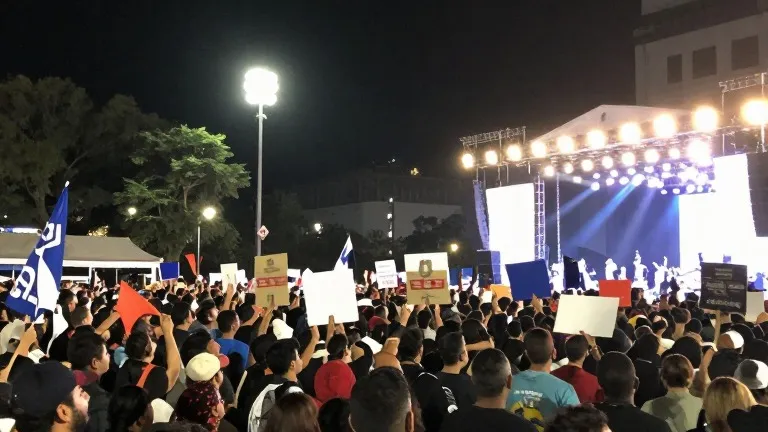
The dynamic reversed when Netanyahu won the 2022 election and assembled a hard-right cabinet. Yair Lapid conceded the result and facilitated an orderly transfer of power. However, as opposition to the judicial overhaul drove large crowds into the streets, accusations of illegitimacy reemerged. In April 2023, former Shin Bet director Yuval Diskin addressed a massive demonstration in Tel Aviv. Diskin argued that while the government was elected legally, it remained morally illegitimate due to its composition and actions.
The analysis highlights that the language of existential stakes persists across party lines. From the opposition’s efforts to dismantle the Bennett government to the critics of the current administration, the framing of elections as historic moments creates a high bar for accepting outcomes. The 20% figure indicates that this is a structural feature of the campaign cycle, not an isolated rhetorical choice by a single party or candidate.
Source: The Jerusalem Post
More Politics · World news · Report a business · Got a Story?