UN Vote: U.S. Cites $876 Million in Trade to Defend Stance
Ambassador Mike Waltz urged delegates to vote against the annual Cuba resolution, citing recent trade data and the presence of former political prisoners in the chamber.
By Olga Kaur ·
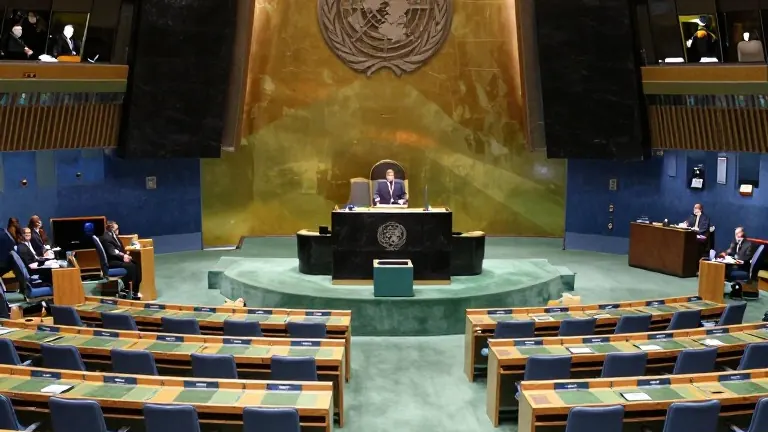
U.S. Ambassador to the United Nations Mike Waltz addressed the General Assembly on October 28, 2026, urging delegates to vote against the annual resolution concerning Cuba. He argued that the vote serves as a check on the communist regime and its use of the forum for propaganda. Waltz stated that the current situation for Cuban citizens is the direct result of internal governance rather than external restrictions.
The U.S. delegation prepared for this session by posing specific questions to Cuban officials the previous day. Waltz asked why Cuban leaders, who claimed to represent a suffering population, enjoyed luxury goods such as Rolex watches, yachts, and private islands. He also questioned the accumulation of billions of dollars by the military conglomerate GAESA while hospitals faced medication shortages. Additionally, he raised concerns about the treatment of Cuban medical workers who are sent abroad.
Cuban diplomats responded to these inquiries with visible agitation. Waltz described the scene as including fist-pumping, shouting, and an intrusion into the rostrum that violated the inviolability of the institution. He noted that one Cuban diplomat physically assaulted a U.S. diplomat, an act that Waltz said violated the Host Country Agreement. The U.S. mission indicated that the offending diplomat would be placed on a flight back to Havana later that day.
Waltz countered the Cuban Foreign Minister’s thirty to forty minute address by highlighting trade data from the first eight months of 2026. He reported that U.S. companies exported $876 million in goods to Cuba during that period. This figure included $250 million in fuel, making the United States the largest supplier of fuel to the Cuban private sector. Waltz emphasized that these imports, along with shipments from countries such as Canada, China, and Mexico, demonstrate that Cuban ports remain open.
The ambassador addressed the financial structure of GAESA, citing Miami Herald investigations. He stated that the military-controlled entity holds $18 billion in assets and $14 billion in cash. Waltz noted that Cuban authorities have disputed these figures but have not opened their books for an independent audit. He pointed out that Cuba’s Comptroller General admitted she could not audit GAESA before disappearing from public view two months later. Waltz calculated that the cash holdings could pay all Cuban salaries for two years or supply all pharmacies for more than 40 years.
President Donald Trump committed an additional $100 million in food aid, which includes certain medications. This assistance is routed through the Catholic Church. Waltz thanked the Vatican for its humanitarian efforts and noted that this channel ensures aid reaches individuals in need. He contrasted this with the regime’s preference for routing all shipments through military monopolies, which he argued have enriched the elite while providing little to the general population.
Former political prisoners attended the session to observe the proceedings. José Daniel Ferrer, who has been imprisoned multiple times for demanding basic freedoms, sat in the chamber. Orlando Gutiérrez-Boronat, who has fought for decades for civil liberties, was also present. Waltz invited delegates to observe these individuals while casting their votes, noting that they represent the people who will face the consequences of the assembly’s decision.
Waltz stated that the Cuban regime maintains 800 political prisoners. He criticized the regime’s strategy of broadcasting the UN vote on state television to tell the Cuban public that the world supports the government. He urged delegates to vote no, asserting that this choice aligns them with the Cuban people. The meeting concluded with Waltz thanking the president of the assembly.
Source: Latin Opinion