Travel firms turn still photos into motion to boost online engagement
Businesses are using AI tools to animate existing images, adding subtle movement to water and clouds while keeping landmarks intact for marketing purposes.
By Fatima Davis ·
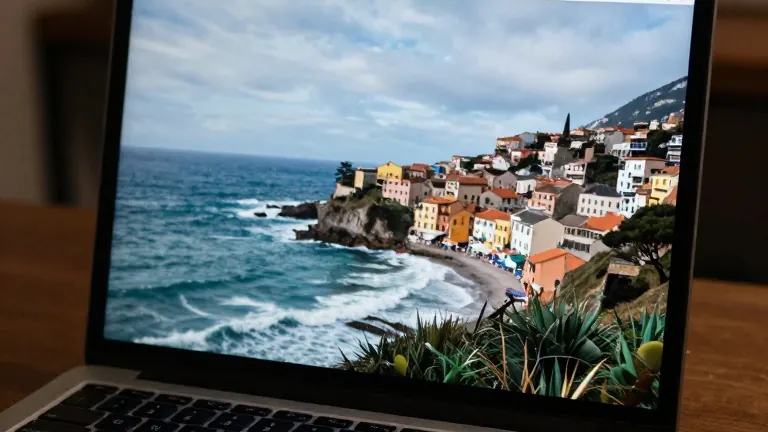
Tourism companies and content creators are increasingly converting static travel photographs into short video clips to enhance digital marketing. This approach allows businesses to reuse existing assets rather than scheduling new photo shoots, reducing production costs for promotional materials. The primary goal is to add atmospheric movement to images without altering the recognizable features of the destination.
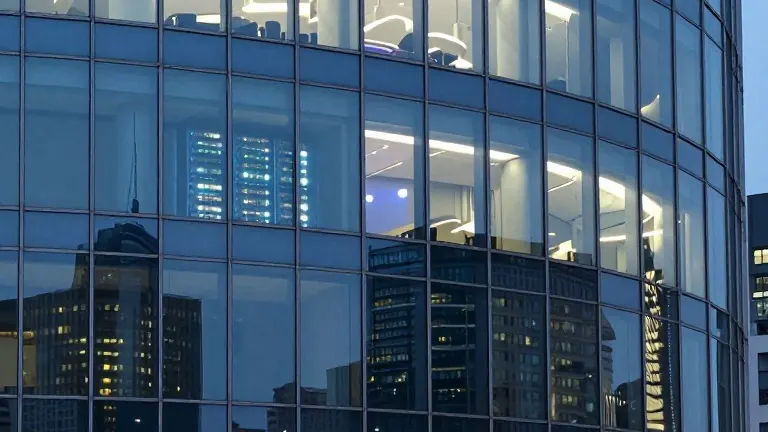
The process focuses on identifying natural elements within a photograph that can be animated. Water sources, trees, and clouds offer logical opportunities for subtle motion that aligns with the scene's environment. For example, a static image of a beach can be modified to show gentle waves and drifting clouds, reinforcing a sense of calm. In urban settings, movement might be limited to shifting shadows or distant pedestrians to convey activity without distorting the architecture.
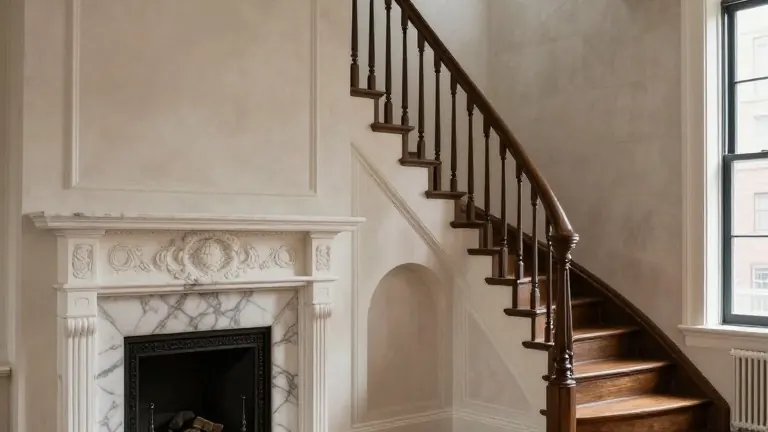
Preserving visual accuracy is a priority for businesses using these tools. Complex scenes with historic buildings or intricate landmarks are at higher risk of distortion during the animation process. If a building bends or windows change shape, the image may no longer represent the actual location accurately. Operators and accommodation providers must review the final output to ensure that the motion does not imply features or conditions that are not present in the real world.
Camera movement provides an alternative to animating objects within the frame. A slow push toward a waterfall or a lateral pan across a village can guide the viewer's attention without requiring changes to the scenery itself. These techniques work best when the direction is simple and leads the eye toward a focal point. Tools such as Dreamina offer various controls for this process, though output quality varies between different software options.
Creators often sequence multiple animated clips to build a narrative about a specific location. A video might start with a wide landscape view, move to a local café, and end with a quiet walking trail. This structure establishes the setting before introducing specific details. Maintaining a consistent movement style across the clips helps maintain a coherent viewing experience for the audience.
The final step involves formatting the video for its intended platform. Content for mobile feeds typically requires vertical framing, while website features use wider formats. Editors must check that important landmarks remain visible after cropping. For commercial use, businesses are advised to verify licensing terms and ensure the generated motion accurately reflects the destination to maintain viewer trust.
Source: Yonkers Times
More Business · Buyer Beware · Report a business · Got a Story?